Compressed Earth Block
Green Future of European Masonry BlocksWe believe that it is possible to switch 50% of the current European fired brick production to a green alternative, that has low end-product price owing to 70% lower energy cost.
Green Future of European Masonry Blocks
Need for Compressed Earth Block in Europe
Construction technology developed rapidly in the past 50 years, large windows made load bearing pillars a must and load bearing walls were replaced by filling walls. Thermal insulation properties are no longer crucial due to perfect insulation materials available.
At the same time, energy cost became a crucial risk. High energy prices make both brick production and heating/cooling of buildings extremely costly.
Is there a way to reduce risks for future generations of house builders as well as the construction and building material industry from unpredictable energy prices? Maybe there is a new material that can be produced with the lowest possible energy use, CO2 and greenhouse gas emission, and that has the benefits demanded in the 21st century.


In our vision, compressed earth brick should be developed to European demands. For compressed earth is better than any other building material at
- temperature and humidity control of rooms
- saving energy (by cutting heating/cooling costs by 25% or more)
- providing physiological advantages.
Also, a 10 cm thick compressed earth wall provides similar sound insulation as that of a 20 cm soundproof brick wall.
We believe that it is possible to switch 50% of the current European fired brick production to a green alternative, that has low end-product price owing to 70% lower energy cost.
Going Green
In RESPONSIBLE LIVING
we should meet the needs of the current generation in a manner that does not impair the ability of future generations to meet their own such needs!
From a CO2 standpoint, 50% of the current European fired brick production equals 22Mt of bricks, which translates into 2.64 Mt CO2/year. With switching to earth bricks 2/3 of emissions, i.e. 1.76Mt CO2/year can be saved. Such reduction corresponds to 2% of the total EU targeted greenhouse gas reduction from 2017 to 2030 set at 81 Mt CO2.
Obviously such a change has high risk from technology and market sides. But taking its potential production (i.e. 22Mt =€1.75 billion per year on 2021 prices) and low environmental impact (from production to utilisation in buildings), switching may revolutionise the industry.
%
Proportion of world energy need for housing cost
%
Possible saving on housing energy with earth bricks
%
Proportion of clay soil in Europe
Production of fired brick per year (million tons)




Societal Impact of Earth Bricks: Healthy Life

Noise is a problem
According to a report by the European Environment Agency noise pollution is a major environmental health concern in Europe. It is caused by noise coming from a variety of sources and is widely present not only in the busiest urban environments but increasingly in once natural environments. The adverse effects on those exposed to noise pollution include threats to the
- well-being of human populations,
- the deteriorating health and distribution of wildlife on land and in the sea,
- the decreased abilities of our children to learn properly at school and
- the high economic price society must pay as a result.
The World Health Organization (WHO) has classified traffic noise, including road, rail and air traffic, as the second most important cause of ill health in Western Europe, behind only air pollution caused by very fine particulate matter.
Prolonged exposure to environmental noise can lead to negative cardiovascular and metabolic effects, reduced cognitive performance in children as well as severe annoyance and sleep disturbance. Long-term exposure to environmental noise is estimated to cause 12,000 premature deaths and to contribute to 48,000 new cases of ischemic heart disease per year in the European territory. It is estimated that 22 million people suffer chronic high annoyance and 6.5 million people suffer chronic high sleep disturbance. As a result of aircraft noise, 12,500 schoolchildren are estimated to suffer learning impairment in school.
Asthma is a problem
The European Lung White Book estimates the total cost of asthma 72.2 € bn, and the number of people suffering from asthma is growing! Among asthma risk factors, health organisations have identified hundreds of substances that can cause the onset of asthma. Many of these asthmagens are common ingredients of building products like insulation, paints, adhesives, wall panels and floors. Earth bricks contain ZERO asthmagens. All those people who moved from traditional houses to chemical free ones report rapid decrease of asthmatic symptoms, and good quality of life.

Company principles
get to know us
Architecture should be considered with the need to create an environment that defines our lives.
It is the responsibility of architects to meet the residential housing needs of the current generation in a manner that does not impair the ability of future generations to meet their own such needs.
Architects are responsible for seeking solutions that please the largest number of people and allow for living with dignity.

MG Építész Kft.
Founded in 2003, “MG Építész” Ltd is a research and development engineering firm, which employs dozens of certified architectural engineers. Its field of activity is services in the entire spectrum of the construction industry, building energy analysis and expert forensic work, ranging from consulting to execution.
“MG Építész” Kft has its own innovative solutions and developments. The founder, owner and managing director is Dr Gábor Márkus:
- certified architectural engineer,
- ordinary member of the Hungarian Academy of Science, active member of the Building Energetics Committee,
- expert witness in forensic architecture,
- wide-ranging international experience and expertise in projects.
“MG Építész” Ltd are a dedicated proponent of sustainable development, and an environmentally conscious, quality, value-oriented approach to life.
We have been working on perfecting building structures since 1996, focusing on the use of renewable energy, and energy-efficient design and construction.
For more information, visit our website: http://www.mgepitesz.hu
History of Earth Architecture
Earth is a simple, durable and versatile material, can be extracted locally, is flexible but at the same time strong, does not decompose, insects do not damage, cool in summer, warm in winter. Over time, diverse buildings of extraordinary beauty have been made of earth.
A European Centre of Earth Architecture
Clay and earth were mostly used as building materials for residential and farm buildings. In the 19th century, Hungary became one of the earth construction centres in Europe. Earth architecture spreads in the Great Plain due to the few forests. The internationally acclaimed work of folk architecture, the ensemble of the village of Hollókő Ófalu, also consists of adobe buildings.
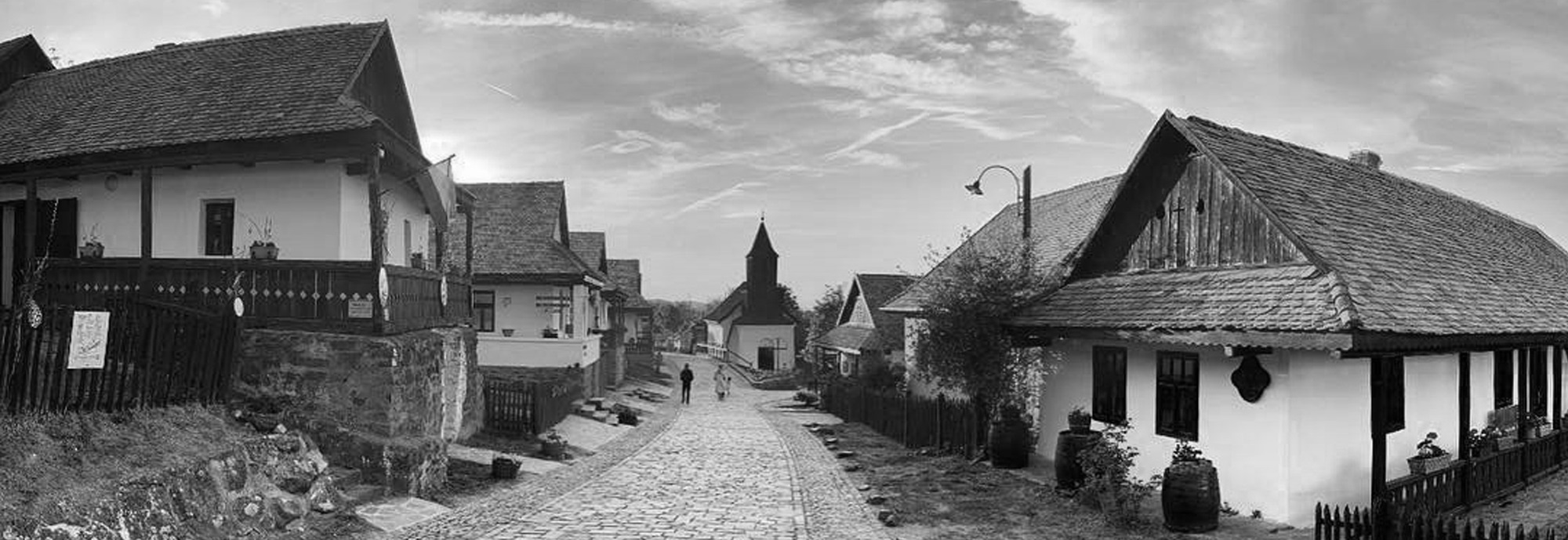

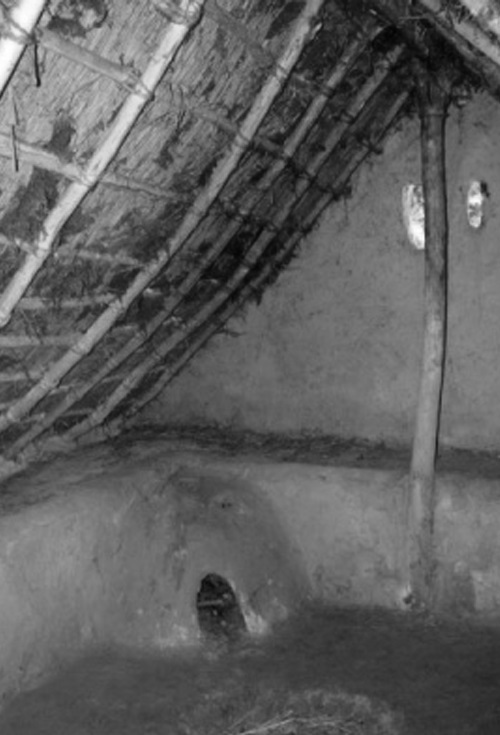
Earth architecture flourished in Hungary in the Middle Ages and the Modern Age. From the period after the settlement of Hungarian in 896 stack houses and earthen fortresses were also found in Hungary, and the remains of fortress systems built against the Turkish conquest after the Tartar invasion testify to this.

People have been building cities for 10,000 years. Earth is one of the most important building materials. More than 1/3 of the world’s population still lives in homes built of earth. This building material was widespread in antiquity. Different civilizations have built entire cities from the earth. We can still see ancient archeological memories of earth architecture Egypt, Peru, Iraq, Crete and Spain.

There are more than 30 types of earthworks in the world. The two basic methods are rammed earth and earth brick. In Mesopotamia, raw earth was mixed with moisture-resistant asphalt materials as early as 6,000 years ago.


Earth as Building Material
Technologies
There were several different trials in the field of earth architecture and earth block manufacturing in the 2nd half of the 20th century in Hungary.
Rammed Earth Technology
Traditional rammed wall construction
Extruded Strip Clay
or Wet Clay Technology
Thermal Insulation
Thermal properties of earth and clay walls
Stabilized Brick
Stabilized Earth Brick + Vaulting Technology
Machine Pressing
Conventional Adobe Production by Machine Pressing
Pressing in Factories
Adobe Brick Pressing in Brick Factories
Rammed Earth Technology
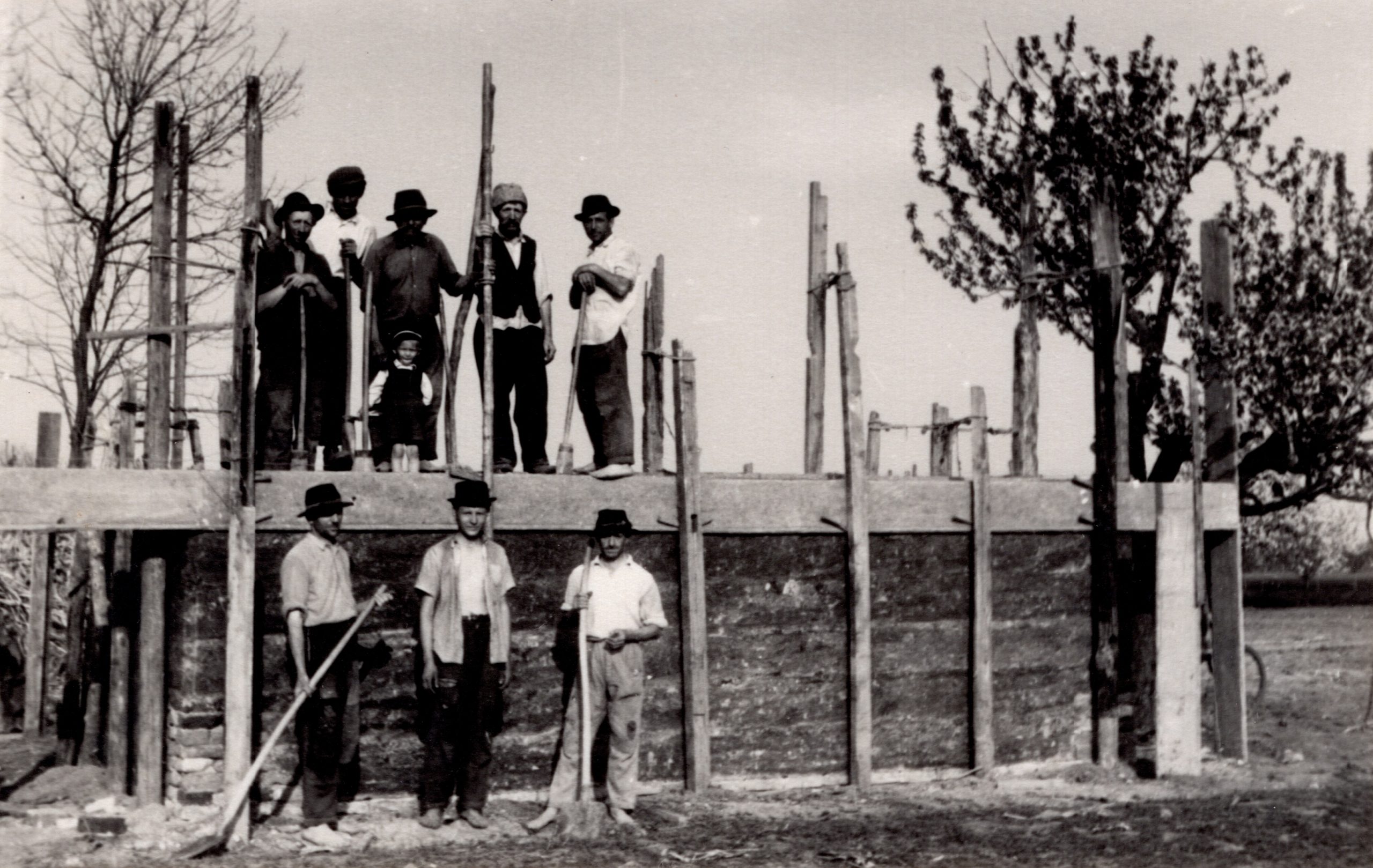
Traditional rammed wall construction was improved that a plate vibrator was used that can move freely between the floor-high wall shutters. This makes it possible to create a completely flat, plaster-free surface. The disadvantage of this method is that the 30 cm wall thickness resulting from the technology fails in heat insulation unless special heat insulation materials are used. It can be built with relatively low efficiency compared to other methods.
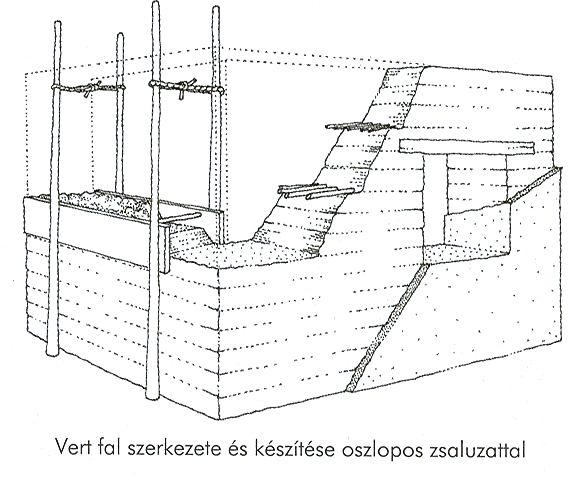
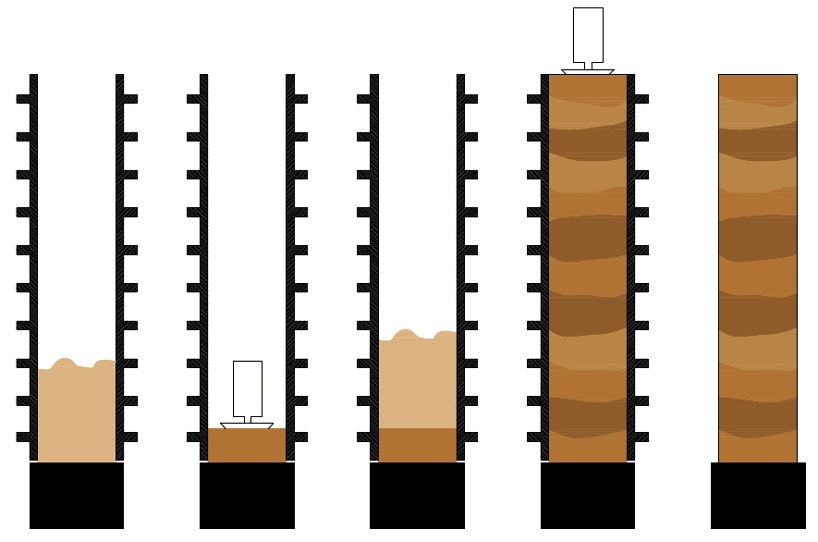
Extruded Strip Clay (or Wet Clay) Technology
The energy-saving extruder, developed on a similar principle to the brick screw presses and specially developed at the intermediate technological level, extrudes 1.0 to 2.0 m long, 8 x 16 cm cross-section loam strips of variable grain and earth moisture content, which can be used directly for masonry without mortar and shutters. The outer surface of the adobe strips gives a special rustic surface that is aesthetic and therefore does not require plastering. These thin wall structures are excellent for partitions and thicker (multilayer) e.g. as an external (shuttered) wall structure for insulating adobe-filled masonry. It is practically the most plastically formable, fastest to build wall structure. Disadvantage: it can’t be used as loadbearing wall.

Thermal Insulation in Earth Technologies
Thermal properties of earth and clay walls can be significantly improved by using light, good thermal insulation inorganic (e.g. tuff grinds, perlite, expanded clay) and organic (e.g. straw, crushed stone, wood pulp) fillers. The technology of their production is largely determined by the quality and quantity of the fillers. If the specific weight of the clay made with light fillers (in the air-dry state) is less than 1200 kg / m3, then we call it light clay.
The disadvantage of these walls is that, the amount of thermal insulation additive can be increased only to a limited extent without significantly reducing the strength of the wall. A further disadvantage is that they usually require exterior-interior plaster.
Hátránya e falazatoknak, hogy a falszerkezetek hőszigetelésének fokozása érdekében természetesen csak korlátozott mértékben lehet a hőszigetelő adalék mennyiséget növelni a falazat jelentős szilárdságcsökkenése nélkül, így önálló (teherhordó váz nélküli) falazatokat nem képezhetnek. További hátrány, hogy általában külső-belső vakolatot igényelnek.


Stabilized Earth Brick + Vaulting Technology
With the development of the traditional moulded adobe method, heavy-duty vaults made of cement-stabilized earth bricks can be built using cement mortar, so that significant savings can be achieved not only in the masonry but also in the floor structure. Construction system has the additional advantage of generally5 cm thick with triple compressive strength compared to traditional adobe bricks. The thermal insulation of this load-bearing wall structure is solved cheaply with local soil 50-60 cm thick.

Conventional Adobe Production by Machine Pressing (Intermediate Technology)
Fading away the methods of traditional manual mixing and moulding that require significant manpower, hydraulic systems are now available. Pneumatic adobe presses (3-15 bar per brick), which can be put into operation and installed anywhere, and can be easily transported due to their low weight.

Adobe Brick Pressing in Brick Factories
For smaller brick factories, it was thought to be an economical solution to switch the production line to the production of adobe bricks (e.g. in case of intermittent accumulation of fired products), so that they can better use the existing drying capacity. (Several sites were experimenting with developing the above energy-saving version of brick production with very low success – for efficiency reasons). When using high-performance adobe presses, the mass mixed with the long-fiber fibrous additive is generally unsuitable because the additive causes the clay strip to crack at the mouth and the cutting of the bricks cannot be solved in the conventional manner.

State of the Art Earth Architecture
Research into the possibilities of modern earth construction, appropriate construction technologies and applications began in several European countries from the 1970s onwards. The first such initiative is the Wasserturmstrasse complex in Kassel, Germany. The initiators of the “Ecological Settlement” Manfred Hegger, Doris Hegger-Luhnen, Gernot Minke, Günter Schleiff implemented several principles of ecological construction such as the use of passive solar energy, buffer zone design, restriction of car traffic, use of natural materials.
Gernot Minke
One of the innovative technologies developed by Gernot Minke is a rather unusual method of building an adobe dome in the exterior façade. Using the system, elegant spaces can be created so that all the structural requirements are met by the adobe. The arch of the domes and the floor plan organization are designed in such a way that only compressive force is generated in the structures, so that the wooden structure required in traditional construction is no longer required.

Martin Rauch
Another great pioneer in the modern use of adobe is Martin Rauch, Austrian architect. An example of perhaps the most architecturally interesting application of earthworks is the Feldkirch provincial hospital in Austria. As part of the expansion of the hospital by Lehm Ton Erde baukunst, the architect designed the patients’ rest area by designing a rammed wall. It is about 40 cm thick, it is in front of the vertical reinforced concrete wall of the sloping glass wing facing south with a triangular cross-section (see photo). This wing follows a curved line, never showing the entire space, inspiring patients to walk further and explore. A door separates this special conservatory from the air-conditioned main building, which results in a completely different climate. Owing to the solar gains, the artificial stream flowing in the space, the vegetation and, last but not least, the heat storage and moisture balancing capacity of the adobe, the climate is almost tropical. The walls still radiate the heat collected during the day or the day before.
The wall introduced above (Feldkirch provincial hospital in Austria) has some further charm. The vertical earth wall, about 6 m high, was enriched with the artistic application of „Lehmart”. During the incorporation of the wall, each layer was made of a different colour material and different grain sizes. The end result is like floating clouds, or a cave drawing, or whatever comes to mind, but it’s definitely amazing. The wall is enriched with brick inserts.

Roger Boltshauer dress room on a sports field Zürich
Martin Rauch and his office studied the uses of adobe in depth. They have developed the technology that bricks are intermittently built into a rammed wall, it drains water from the vertical surface. Roger Boltshauer dress room on a sports field Zürich

Herzog & de Meuron
Herzog & de Meuron has built a herb processing plant with rammed earth walls in the countryside surrounding Laufen. The herb centre is predominantly built from earth, extracted from local quarries and mines. Comprising a mixture of clay, marl and soil, this material helps to maintain a cool internal environment. Each of the earth elements was prefabricated in a nearby factory by compacting the soil and clay mixture into a formwork. These were then layered up in blocks to form the walls.

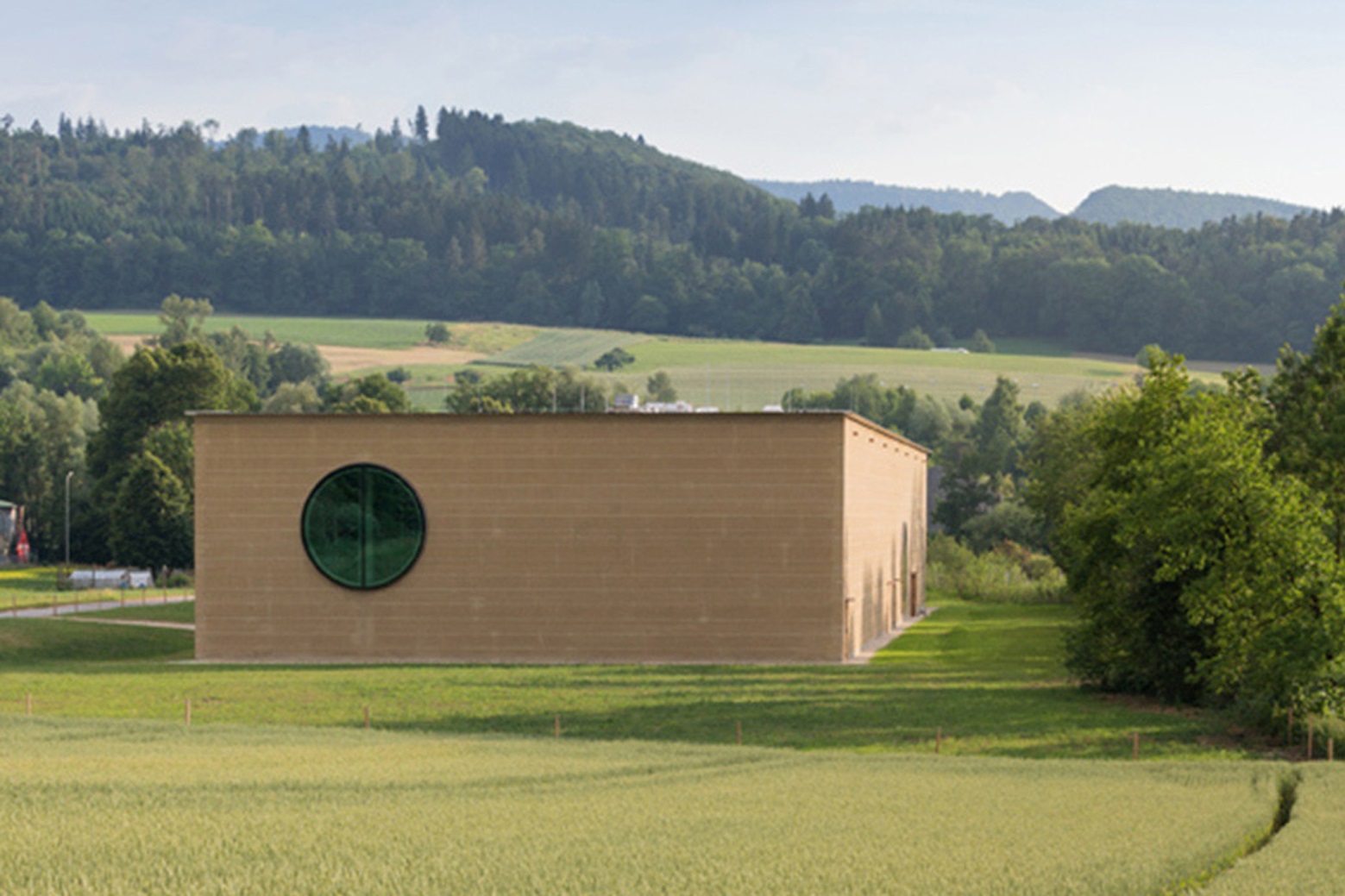


Gitai Architects
Gitai Architects used rammed earth and stones from the nearby Mitzpe Ramon crater to build the Landroom observatory in Israel’s Negev desert. Landroom is intended to function as a shelter from the sun in daytime and an observatory at night. The structure measures just six square metres and has space for only two people.
Israeli studio Gitai Architects built the minimalist structure. The square building has a circular interior and an opening facing the desert, as well as a built-in seat where travellers can rest. It is a microtopography design process. The technique of the rammed earth construction consists of excavating the local earth and ramming it into designed moulds in order to shape the walls.





Contact us

Adatvédelmi és Adatkezelési szabályzat
ADATKEZELÉSI SZABÁLYZAT
[a GDPR alapján]
Vállalkozás, mint adatkezelő azonosító adatai:
- MG Építész KFT.
- 1125 Budapest, 10767/1/ A /1 hrsz./, Szarvas Gábor út 42/a. alagsor 1.
- Cégjegyzékszám: 01 09 717700
- Adószám: 13079909243
- https://www.mgepitesz.hu/
- penzugy@mgepitesz.hu
- +3630/248 6210
A Vállalkozás, mint adatkezelő képviselője:
- Dr. Márkus Gábor
- 1125 Budapest, 10767/1/ A /1 hrsz./, Szarvas Gábor út 42/a. alagsor 1.
- +3630/248 6210
- markus.gabor@mgepitesz.hu
Közzététel időpontja: 2021-06-01
Az 1. felülvizsgálat legkésőbbi időpontja: Törvény változásával
Az 1. felülvizsgálat nyomán bevezetett változtatások hatályba lépésének időpontja:
Az 1. felülvizsgálat során módosított szakaszok:
A 2. felülvizsgálat legkésőbbi időpontja:
Budapest, 2021-06-01
Adatkezelési alapelveink összhangban vannak a kapcsolódó hatályos jogszabályokkal, így különösen az alábbiakkal:
-1992.évi LXIII. törvény a személyes adatok védelméről és a közérdekű adatok nyilvánosságáról
-2001.évi CVIII. törvény az elektronikus kereskedelmi szolgáltatások, valamint az információs társadalommal összefüggő szolgáltatások egyes kérdéseiről
-2008.évi XLVII. törvény a gazdasági reklámtevékenység alapvető feltételeiről és egyes korlátairól
-2011.évi CXII. törvény az információs önrendelkezési jogról és az információszabadságról
-1995. évi CXIX törvény a kutatás és közvetlen üzletszerzés célját szolgáló név-és lakcímadatok kezeléséről
-2016/679/EU Rendelet (2016. április 27.) a természetes személyek a személyes adatok kezelése tekintetében történő védelméről és az ilyen adat szabad áramlásáról, valamint a 95/45/EK Rendelet hatályon kívül helyezéséről.
Tartalomjegyzék
GDPR fogalmak
1 A szabályzat célja
2 Adatkezelési alapelvek
3 Az adatkezelés jogszerűsége
3.1 Személyes adatok, a különleges adatok kivételével
3.2 Különleges adatok
4 A Vállalkozás tájékoztatási kötelezettsége és intézkedései
4.1 Adatkezelési tájékoztató
4.1.1 Közös szabályok
4.1.2 Rendelkezésre bocsátandó információk, ha az adatokat az Érintettől gyűjtik
4.1.3 Rendelkezésre bocsátandó információk, ha az adatokat nem az Érintettől gyűjtik
4.2 Érintetti jogok
4.2.1 A hozzáféréshez való jog
4.2.2 A helyesbítéshez való jog
4.2.3 A törléshez való jog („az elfeledtetéshez való jog”)
4.2.4 Az adatkezelés korlátozásához való jog1
4.2.5 A tiltakozáshoz való jog1
4.2.5.1 A tiltakozáshoz való jog közvetlen üzletszerzés esetén
4.2.5.2 Profilalkotás1
4.2.6 Az adathordozhatósághoz való jog
4.2.7 Egyedi ügyekben alkalmazott automatizált döntéshozatalról való döntés joga, beleértve a profilalkotást
4.2.8 Jogorvoslathoz való jog
4.2.8.1 Panasztételhez való jog
4.2.8.2 Felügyeleti hatóság határozatának bírósági felülvizsgálata, ill. egyéb jogorvoslati lehetőség
4.2.8.3 A bírósághoz fordulás joga (keresetindítási jog)
4.2.8.4 Egyéb igényérvényesítési lehetőség
4.2.8.5 Kártérítéshez való jog
4.2.8.6 Közigazgatási bírság
4.2.8.7 Büntetőjogi és/vagy közigazgatási szankció
4.3 Eljárási szabályok
4.3.1 A kérelem elbírálása
4.3.2 A szolgáltatott információ, a nyújtott tájékoztatás és a megtett intézkedés díja
4.3.3 Kérelmező személyazonosságának vizsgálata
5 Adattovábbítás
6 Adatvédelmi incidens
6.1 Bejelentés a felügyeleti hatósághoz
6.2 Az Érintett tájékoztatása
7 Adatkezelési nyilvántartások
7.1 Adatkezelési tevékenységek nyilvántartása
7.2 Adatvédelmi incidensek nyilvántartása
8 Adatvédelmi tisztviselő
9 Adatvédelmi hatásvizsgálat
10 Oktatás
11 Közös adatkezelés, adatfeldolgozás
12 Adatkezelés biztonsága
13 Egyéb rendelkezések
14 Hatály és felülvizsgálati rend
GDPR Fogalmak
Személyes adat: azonosított vagy azonosítható természetes személyre (érintett) vonatkozó bármely információ. Azonosítható az a természetes személy, aki közvetlen vagy közvetett módon, különösen valamely azonosító – például név, szám, helymeghatározó adat, online azonosító – vagy a természetes személy testi, fiziológiai, genetikai, szellemi, gazdasági, kulturális vagy szociális azonosságára vonatkozó egy vagy több tényező alapján azonosítható.
Genetikai adat: egy természetes személy örökölt vagy szerzett genetikai jellemzőire vonatkozó minden olyan személyes adat, amely az adott személy fiziológiájára vagy egészségi állapotára vonatkozó egyedi információt hordoz, és amely elsősorban az említett természetes személyből vett biológiai minta elemzéséből ered.
Biometrikus adat: egy természetes személy testi, fiziológiai vagy viselkedési jellemzőire vonatkozó minden olyan sajátos technikai eljárásokkal nyert személyes adat, amely lehetővé teszi vagy megerősíti a természetes személy egyedi azonosítását. Ilyen például az arckép vagy a daktiloszkópiai adat.
Egészségügyi adat: egy természetes személy testi vagy pszichikai egészségi állapotára vonatkozó személyes adat, ideértve a természetes személy számára nyújtott egészségügyi szolgáltatásokra vonatkozó olyan adatot is, amely információt hordoz a természetes személy egészségi állapotáról.
Adatkezelő: az a természetes vagy jogi személy, közhatalmi szerv, ügynökség vagy bármely egyéb szerv, aki/amely a személyes adatok kezelésének céljait és eszközeit önállóan vagy másokkal együtt meghatározza. Ha az adatkezelés céljait és eszközeit az uniós vagy a tagállami jog határozza meg, az adatkezelőt vagy az adatkezelő kijelölésére vonatkozó különös szempontokat az uniós vagy a tagállami jog is meghatározhatja.
Adatfeldolgozó: az a természetes vagy jogi személy, közhatalmi szerv, ügynökség vagy bármely egyéb szerv, aki/amely az adatkezelő nevében személyes adatokat kezel.
Az adatfeldolgozó korlátai:
- az adatkezelést érintő érdemi döntést nem hozhat,
- a tudomására jutott személyes adatokat kizárólag az adatkezelő rendelkezései szerint dolgozhatja fel,
- saját céljára adatfeldolgozást nem végezhet, továbbá
- a személyes adatokat az adatkezelő rendelkezései szerint köteles tárolni.
- Kizárt adatkezelő: Olyan adatkezelő nem bízható meg, aki/amely a feldolgozandó személyes adatokat felhasználó üzleti tevékenységében érdekelt.
- Írásbeli szerződés: Az adatkezelő és adatfeldolgozó között írásbeli szerződésnek kell fennállnia az adatfeldolgozásról, amelyben a fentieket szabályozni kell.
Címzett: az a természetes vagy jogi személy, közhatalmi szerv, ügynökség vagy bármely egyéb szerv, akivel vagy amellyel a személyes adatot közlik, függetlenül attól, hogy harmadik félnek minősül-e.
Harmadik fél: az a természetes vagy jogi személy, közhatalmi szerv, ügynökség vagy bármely egyéb szerv, aki/amely nem azonos az érintettel, az adatkezelővel, az adatfeldolgozóval vagy azokkal a személyekkel, akik az adatkezelő vagy adatfeldolgozó közvetlen irányítása alatt a személyes adatok kezelésére felhatalmazást kaptak.
Vállalkozás: gazdasági tevékenységet folytató természetes vagy jogi személy, függetlenül a jogi formájától, ideértve a rendszeres gazdasági tevékenységet folytató személyegyesítő társaságokat és egyesületeket is.
Adatkezelés: a személyes adatokon vagy adatállományokon automatizált vagy nem automatizált módon végzett bármely művelet vagy műveletek összessége, így a gyűjtés, rögzítés, rendszerezés, tagolás, tárolás, átalakítás vagy megváltoztatás, lekérdezés, betekintés, felhasználás, közlés, továbbítás, terjesztés vagy egyéb módon történő hozzáférhetővé tétel útján, összehangolás vagy összekapcsolás, korlátozás, törlés, illetve megsemmisítés.
Az adatkezelés korlátozása: a tárolt személyes adatok megjelölése jövőbeli kezelésük korlátozása céljából.
Profilalkotás: személyes adatok automatizált kezelésének bármely olyan formája, amelynek során a személyes adatokat valamely természetes személyhez fűződő bizonyos személyes jellemzők értékelésére, különösen a munkahelyi teljesítményhez, gazdasági helyzethez, egészségi állapothoz, személyes preferenciákhoz, érdeklődéshez, megbízhatósághoz, viselkedéshez, tartózkodási helyhez vagy mozgáshoz kapcsolódó jellemzők elemzésére vagy előrejelzésére használják.
Álnevesítés: a személyes adatok olyan módon történő kezelése, amelynek következtében további információk felhasználása nélkül többé már nem állapítható meg, hogy a személyes adat mely konkrét természetes személyre vonatkozik, feltéve, hogy az ilyen további információt külön tárolják, és technikai és szervezési intézkedések megtételével biztosított, hogy azonosított vagy azonosítható természetes személyekhez ezt a személyes adatot nem lehet kapcsolni.
Az érintett hozzájárulása: az érintett akaratának önkéntes, konkrét és megfelelő tájékoztatáson alapuló és egyértelmű kinyilvánítása, amellyel az érintett nyilatkozat vagy a megerősítést félreérthetetlenül kifejező cselekedet útján jelzi, hogy beleegyezését adja az őt érintő személyes adatok kezeléséhez.
Adatvédelmi incidens: a biztonság olyan sérülése, amely a továbbított, tárolt vagy más módon kezelt személyes adatok véletlen vagy jogellenes megsemmisítését, elvesztését, megváltoztatását, jogosulatlan közlését vagy az azokhoz való jogosulatlan hozzáférést eredményezi.
Adatvédelmi hatásvizsgálat: ha az adatkezelés valamely – különösen új technológiákat alkalmazó – típusa, figyelemmel annak jellegére, hatókörére, körülményére és céljaira, valószínűsíthetően magas kockázattal jár a természetes személyek jogaira és szabadságaira nézve, akkor az adatkezelő az adatkezelést megelőzően hatásvizsgálatot végez arra vonatkozóan, hogy a tervezett adatkezelési műveletek a személyes adatok védelmét hogyan érintik.
Adatvédelmi tisztviselő: az adatkezelő és az adatfeldolgozó adatvédelmi tisztviselőt jelöl ki minden olyan esetben, amikor: a) az adatkezelést közhatalmi szervek vagy egyéb, közfeladatot ellátó szervek végzik, kivéve az igazságszolgáltatási feladatkörükben eljáró bíróságokat; b) az adatkezelő vagy az adatfeldolgozó fő tevékenységei olyan adatkezelési műveleteket foglalnak magukban, amelyek jellegüknél, hatókörüknél, ill. céljaiknál fogva az érintettek rendszeres és szisztematikus, nagymértékű megfigyelését teszik szükségessé; c) az adatkezelő vagy az adatfeldolgozó fő tevékenységei a személyes adatok különleges kategóriáinak (pl. faji vagy etnikai származásra, politikai véleményre, vallási meggyőződésre, stb.) és a büntetőjogi felelősség megállapítására vonatkozó határozatokra és bűncselekményekre vonatkozó adatok nagy számban történő kezelését foglalják magukban.
Személyes adatok határokon átnyúló adatkezelése: a) személyes adatoknak az Unióban megvalósuló olyan kezelése, amelyre az egynél több tagállamban tevékenységi hellyel rendelkező adatkezelő vagy adatfeldolgozó több tagállamban található tevékenységi helyein folytatott tevékenységekkel összefüggésben kerül sor; vagy b) személyes adatoknak az Unióban megvalósuló olyan kezelése, amelyre az adatkezelő vagy az adatfeldolgozó egyetlen tevékenységi helyén folytatott tevékenységekkel összefüggésben kerül sor úgy, hogy egynél több tagállamban jelentős mértékben érint, vagy valószínűsíthetően jelentős mértékben érint érintetteket.
Kötelező erejű vállalati szabályok: a személyes adatok védelmére vonatkozó szabályzat, amelyet az Unió valamely tagállamának területén tevékenységi hellyel rendelkező adatkezelő vagy adatfeldolgozó egy vagy több harmadik országban a személyes adatoknak az ugyanazon vállalkozáscsoporton vagy közös gazdasági tevékenységet folytató vállalkozások ugyanazon csoportján belüli adatkezelő vagy adatfeldolgozó részéről történő továbbítása vagy ilyen továbbítások sorozata tekintetében követ.
Az információs társadalommal összefüggő szolgáltatás: szolgáltatás, amely az információs társadalom bármely szolgáltatása, azaz bármely, általában térítés ellenében, távolról (a felek egyidejű jelenléte nélkül), elektronikus úton és a szolgáltatást igénybe vevő egyéni kérelmére nyújtott szolgáltatás.
Adatfeldolgozás: az adatkezelési műveletekhez kapcsolódó technikai feladatok elvégzése, függetlenül a műveletek végrehajtásához alkalmazott módszertől és eszköztől, valamint az alkalmazás helyétől, feltéve, hogy a technikai feladatot az adaton végzik.
Adattovábbítás: az adat meghatározott harmadik személy számára történő hozzáférhetővé tétele.
Nyilvánosságra hozatal: az adat bárki számára történő hozzáférhetővé tétele.
Adattörlés: az adat felismerhetetlenné tétele oly módon, hogy a helyreállítása többé nem lehetséges.
1A szabályzat célja
Az Adatkezelési Szabályzat célja olyan intézkedések bevezetése és következetes alkalmazása, amelyek az Érintettek személyes adatainak pontos és biztonságos, valamint a hatályos uniós és tagállami adatvédelmi szabályoknak megfelelő, a Vállalkozás szintjén egységesen megvalósított kezelését biztosítják. Az Adatkezelési Szabályzat ugyanakkor tömör, átlátható és könnyen hozzáférhető tájékoztatást nyújt az Érintettek számára a Vállalkozás által kezelt személyes adataikhoz való hozzáférésről, valamint rendelkezik és tájékoztatást nyújt a Vállalkozás által az Érintettek jogainak biztosítására vonatkozó szabályokról.
2Adatkezelési alapelvek
Személyes adatok kezelésének megkezdése előtt minden esetben gondosan mérlegelni kell, hogy erre ténylegesen szükség van-e. Személyes adatok kezelését kizárólag akkor lehet megkezdeni, ha kétséget kizáróan indokolható, hogy az adatkezelés célját más módon nem lehet megvalósítani.
A Vállalkozás köteles az Érintettek személyes adatait jogszerűen, tisztességesen, átlátható módon kezelni. Senkit nem érhet hátrány abból eredően, hogy a Vállalkozásnál, illetve a jelen Szabályzatban meghatározott egyéb hatóságnál eljárást, jogorvoslatot kezdeményezett vagy bejelentést tett, illetve, hogy a hozzájáruláson alapuló adatkezelés esetén a hozzájárulását megtagadta vagy visszavonta.
Az Érintettek személyes adatainak gyűjtése csak meghatározott, egyértelmű és jogszerű célból történhet. A Vállalkozás köteles eleve elkerülni, illetve utóbb megszüntetni minden olyan adatkezelést, amely az adott személyes adatra vonatkozó céllal össze nem egyeztethető módon történik. A Vállalkozás csak a szükséges mértékben jogosult személyes adatot kezelni, és köteles minden olyan személyes adatot törölni, amelynek tekintetében az adatkezelés célja megszűnt, illetve az adatkezelés jogalapja nem igazolható.
A Vállalkozás köteles olyan kontrollmechanizmusokat bevezetni, amelyek alkalmasak arra, hogy már előzetesen is, illetve utóbb szűrő jelleggel biztosítható legyen, hogy
(i)a személyes adatok már az adatfelvétel időpontjában, majd az adatkezelés teljes időtartama alatt az adatkezelés céljainak megfelelnek, továbbá
(ii)az adatkezelés mértéke mind az adatok körét, mind az adatkezelés időtartamát illetően a szükségesre korlátozódik.
A Vállalkozás által kezelt személyes adatoknak pontosnak és naprakésznek kell lenniük. A Vállalkozás köteles minden ésszerű intézkedést megtenni annak érdekében, hogy pontos személyes adatok kerüljenek kezelésre,
(i)az adatkezelés céljai szempontjából felesleges, időközben feleslegessé váló személyes adatokat haladéktalanul töröljék;
(ii)a pontatlan személyes adatokat helyesbítsék vagy töröljék.
A személyes adatok tárolásának olyan formában kell történnie, amely az Érintettek azonosítását csak a személyes adatok kezelése céljainak eléréséhez szükséges ideig teszi lehetővé.
A személyes adatok kezelését olyan módon kell végezni, hogy megfelelő technikai vagy szervezési intézkedések alkalmazásával biztosítva legyen a személyes adatok megfelelő biztonsága, ideértve mindazon lépéseket, melyek a személyes adatok jogosulatlan vagy jogellenes kezelésével, véletlen elvesztésével, megsemmisítésével vagy károsodásával szembeni védelmét szolgálja.
3Az adatkezelés jogszerűsége
Az adatkezelés alapjának helytálló meghatározása és a kiválasztott jogalaphoz tartozó további feltételek teljesítése a jogszerű adatkezelés előfeltétele. A jogszerűség követelménye tehát szűkebben véve a megfelelő adatkezelési jogalap meglétét feltételezi, tágabban értelmezve pedig azt jelenti, hogy a személyes adatok kezelésére csak az adott adatkezelési jogalapra vonatkozó jogszabályokkal összhangban kerülhet sor.
A Vállalkozás az általa végzett tevékenységre tekintettel az Érintettek személyes adatai tekintetében az alábbi főbb jogalapok közül választhat az adatkezelés jellegének és körülményeinek megfelelően. Az első alpontban említett főbb jogalapok a személyes adatok különleges kategóriái kivételével minden személyes adatra vonatkoznak, míg a második alpont a személyes adatok különleges kategóriáira vonatkozó jogalapokkal kapcsolatos speciális rendelkezéseket rögzíti.
3.1 Személyes adatok, a különleges adatok kivételével
A Vállalkozás az Érintett személyes adatait – ide nem értve a különleges adatokat – különösen az alábbi jogalapon kezelheti:
(i)Hozzájárulás: A Vállalkozás – amennyiben a hozzájárulás önkéntessége bizonyítható – hozzájárulást adhat személyes adatainak kezeléséhez (1A, 1B, 1C sz. melléklet). Amennyiben a Vállalkozás a közvetlenül 16. életévét be nem töltött gyermekeknek kínált információs társadalommal összefüggő szolgáltatások kapcsán a 16. életévét be nem töltött gyermek személyes adatait kezeli, főszabály szerint csak akkor és olyan mértékben jogszerű az adatkezelés, ha a hozzájárulást a gyermek feletti szülői felügyeletet gyakorló adta meg, ill. engedélyezte. Az Érintett a hozzájárulását önkéntes alapon nyújtja, és jogosult azt bármikor visszavonni. A visszavonás az azt megelőzően végrehajtott adatkezelés jogszerűségét nem érinti.
(ii)Szerződés előkészítése, ill. szerződés teljesítése: Ez a jogalap alkalmazható a szerződéshez (pl. szolgáltatás nyújtására irányuló szerződés, munkaszerződés, tanulmányi szerződés) teljesítéséhez szükséges adatkezelések esetén, amelyben az Érintett az egyik fél, vagy ha az adatkezelés a szerződés megkötését megelőzően az Érintett kérésére történő lépések megtételéhez szükséges.
(iii)Jogi kötelezettség teljesítése: Uniós vagy nemzeti jog által megkívánt adatkezelés.
(iv)Jogos érdek: Ide tartoznak a Vállalkozás vagy egy harmadik fél jogos érdekeinek érvényesítéséhez szükséges adatkezelések. A Vállalkozás vagy harmadik fél jogos érdekét az adott adatkezelési célra vonatkozó adatkezelési tájékoztató rögzíti. Jogos érdeken alapuló adatkezelés csak abban az esetben történhet, ha a Vállalkozás érdekmérlegelési tesztet készít, amelyben rögzíti és megvizsgálja, hogy a Vállalkozás jogos érdeke arányosan korlátozza-e az Érintett személyes adatok védelméhez való jogát, magánszféráját, illetve azt, hogy miként biztosítható az egyensúly a Vállalkozás és az Érintett érdekei között. Az érdekmérlegelési teszt nem része az adatkezelési tájékoztatónak.
(v)[Egyéb, az adott adatkezelési cél szempontjából egyedi adatkezelési jogalapok lehetnek még: az Érintett vagy egy másik természetes személy létfontosságú érdeke vagy közérdekű adatkezelés, illetve a Vállalkozásra ruházott közhatalmi jogosítvány gyakorlásának keretében végzett feladat ellátásával összefüggő adatkezelés.]
Amennyiben a Vállalkozás az Érintettől gyűjti az adatokat és az Érintett a fenti jogalapokon kezelt adatokat nem adja meg, akkor az adatszolgáltatás lehetséges következménye lehet a valamilyen szerződés előkészítésének, illetve teljesítésének a megtagadása, illetve lehetetlenülése (pl. a munkaviszony létesítésének a meghiúsulása). Ha az Érintett a szolgáltatandó adatoknak csak egy részét nem adja meg, akkor a nem teljes körűen szolgáltatott adatok alapján kell megítélni, hogy az adatszolgáltatás elmaradása okozhatja-e pl. a szerződés létrejöttének vagy fenntartásának lehetetlenülését. Szerződésen alapuló adatkezelés esetén a lehetetlenülés jogkövetkezményeit a Vállalkozás csak akkor alkalmazhatja, ha igazolja, hogy a szolgáltatott adat nélkül az érintett szerződés teljesítésére nem képes.
3.2 Különleges adatok
A természetes személyeket megillető alapvető jogok és szabadságok miatt a különleges adatok természetüknél fogva érzékeny és kockázatot jelentő adatok, melyek megkülönböztetett védelmet igényelnek. A Vállalkozás az Érintett különleges adatait – ideértve elsősorban az egészségügyi adatokat – különösen az alábbi célból, illetve jogalapon kezelheti:
(i)GDPR 9. cikk (2) bek. a) pontja: Az Érintett – amennyiben a hozzájárulás önkéntessége bizonyítható – hozzájárulást adhat személyes adatainak kezeléséhez (1A, 1B, 1C sz. melléklet ). Az Érintett a hozzájárulását önkéntes alapon nyújtja, és jogosult azt bármikor visszavonni. A visszavonás az azt megelőzően végrehajtott adatkezelés jogszerűségét nem érinti.
(ii)GDPR 9. cikk (2) bek. b) pontja: Pl. uniós vagy tagállami jog, illetve a tagállami jog szerinti kollektív szerződés felhatalmazása esetén a Vállalkozás adatkezelést folytathat a foglalkoztatást, valamint a szociális biztonságot és szociális védelmet szabályozó jogi előírásokból fakadó kötelezettségei teljesítése és konkrét jogai gyakorlása érdekében.
(iii)GDPR 9. cikk (2) bek. f) pontja: Ez a jogalap alkalmazható, ha a különleges adat kezelésére jogi igények előterjesztéséhez, érvényesítéséhez, illetve védelméhez szükséges célból kerül sor.
4A Vállalkozás tájékoztatási kötelezettsége és intézkedései
A Vállalkozás köteles tömör, átlátható és könnyen hozzáférhető formában, világosan és közérthetően az Érintett rendelkezésére bocsátani bizonyos információkat és tájékoztatni az Érintettet az őt megillető jogokról. Továbbá az Érintett kérelmére bizonyos eljárási szabályok betartásával a Vállalkozás intézkedéseket tehet.
4.1 Adatkezelési tájékoztató
A Vállalkozás attól függően, hogy a személyes adatokat az Érintettől gyűjti-e vagy sem, köteles az Érintett rendelkezésére bocsájtani bizonyos az adatkezelésre vonatkozó információkat. Jelen adatkezelési tájékoztatások közös és egyedi szabályait az alábbi alfejezetek foglalják össze.
4.1.1 Közös szabályok
A tájékoztatási kötelezettségek alapján a Vállalkozás az alábbiakról köteles értesíteni az Érintettet:
(i)A Vállalkozásnak és – ha van ilyen – a Vállalkozás képviselőjének a kiléte és elérhetőségei,
(ii)az adatvédelmi tisztviselőt nem alkalmaz,
(iii)a személyes adatok tervezett kezelésének célja, valamint az adatkezelés jogalapja,
(iv)a GDPR 6. cikk (1) bekezdésének f) pontján alapuló adatkezelés esetén, a Vállalkozás vagy harmadik fél jogos érdekei,
(v)adott esetben a személyes adatok címzettjei, illetve a címzettek kategóriái, ha van ilyen,
(vi)adott esetben annak ténye, hogy a Vállalkozás harmadik országba vagy nemzetközi szervezet részére kívánja továbbítani a személyes adatokat, továbbá az Európai Bizottság megfelelőségi határozatának léte vagy annak hiánya, vagy a GDPR 46. cikkben, a GDPR 47. cikkben vagy a GDPR 49. cikk (1) bekezdésének második albekezdésében említett adattovábbítás esetén a megfelelő és alkalmas garanciák megjelölése, valamint az azok másolatának megszerzésére szolgáló módokra vagy az azok elérhetőségére való hivatkozás,
(vii)a személyes adatok tárolásának időtartamáról, vagy ha ez nem lehetséges, ezen időtartam meghatározásának szempontjairól,
(viii)az Érintett azon jogáról, hogy kérelmezheti az adatkezelőtől a rá vonatkozó személyes adatokhoz való hozzáférést, azok helyesbítését, törlését vagy kezelésének korlátozását, és tiltakozhat az ilyen személyes adatok kezelése ellen, valamint az érintett adathordozhatósághoz való jogáról,
(ix)a GDPR 6. cikk (1) bekezdésének a) pontján vagy a GDPR 9. cikk (2) bekezdésének a) pontján alapuló adatkezelés esetén a hozzájárulás bármely időpontban történő visszavonásához való jog, amely nem érinti a visszavonás előtt a hozzájárulás alapján végrehajtott adatkezelés jogszerűségét,
(x)a felügyeleti hatósághoz címzett panasz benyújtásának jogáról,
(xi)a GDPR 22. cikk (1) és (4) bekezdésében említett automatizált döntéshozatal ténye, ideértve a profilalkotást is, valamint legalább ezekben az esetekben az alkalmazott logikára és arra vonatkozóan érthető információk, hogy az ilyen adatkezelés milyen jelentőséggel, és az Érintettre nézve milyen várható következményekkel bír.
4.1.2 Rendelkezésre bocsátandó információk, ha az adatokat az Érintettől gyűjtik
Abban az esetben, ha a Vállalkozás a személyes adatokat az Érintettől gyűjti, a fentieken túl köteles az Érintettet tájékoztatni arról, hogy a személyes adat szolgáltatása jogszabályon vagy szerződéses kötelezettségen alapul vagy szerződés kötésének előfeltétele-e, valamint hogy az érintett köteles-e a személyes adatokat megadni, továbbá hogy milyen lehetséges következményeikkel járhat az adatszolgáltatás elmaradása.
A tájékoztatást a személyes adatok megszerzésének időpontjában szükséges megadni. Amennyiben azonban az Érintett már rendelkezik a fenti információkkal, nem szükséges azokról őt tájékoztatni.
4.1.3 Rendelkezésre bocsátandó információk, ha az adatokat nem az Érintettől gyűjtik
Abban az esetben, ha a Vállalkozás a személyes adatokat nem az Érintettől gyűjti, a fentieken túl köteles az Érintettet tájékoztatni az Érintett személyes kategóriáiról, valamint a személyes adatok forrásáról és adott esetben arról, hogy az adatok nyilvánosan hozzáférhető forrásokból származnak-e.
A Vállalkozás a következő időpontokban köteles a tájékoztatást megadni:
(i)a személyes adatok kezelésének konkrét körülményeit tekintetbe véve, a személyes adatok megszerzésétől számított észszerű határidőn, de legkésőbb egy hónapon belül,
(ii)ha a személyes adatokat az Érintettel való kapcsolattartás céljára használják, legalább az Érintettel való első kapcsolatfelvétel alkalmával vagy
(iii)ha várhatóan más címzettel is közlik az adatokat, legkésőbb a személyes adatok első alkalommal való közlésekor.
Nem szükséges a fenti adatok megadása, amennyiben
(i)az Érintett már rendelkezik az információkkal,
(ii)a szóban forgó információk rendelkezésre bocsátása lehetetlennek bizonyul vagy aránytalanul nagy erőfeszítést igényelne, különösen a közérdekű archiválás céljából, tudományos és történelmi kutatási célból vagy statisztikai célból, a GDPR 89. cikk (1) bekezdésében foglalt feltételek és garanciák figyelembevételével végzett adatkezelés esetében, vagy amennyiben az e cikk (1) bekezdésében említett kötelezettség valószínűsíthetően lehetetlenné tenné vagy komolyan veszélyeztetné ezen adatkezelés céljainak elérését. Ilyen esetekben az adatkezelőnek megfelelő intézkedéseket kell hoznia – az információk nyilvánosan elérhetővé tételét is ideértve – az érintett jogainak, szabadságainak és jogos érdekeinek védelme érdekében,
(iii)az adat megszerzését vagy közlését kifejezetten előírja az adatkezelőre alkalmazandó uniós vagy tagállami jog, amely az Érintett jogos érdekeinek védelmét szolgáló megfelelő intézkedésekről rendelkezik vagy
(iv)a személyes adatoknak valamely uniós vagy tagállami jogban előírt szakmai titoktartási kötelezettség alapján, ideértve a jogszabályon alapuló titoktartási kötelezettséget is, bizalmasnak kell maradnia.
4.2 Érintetti jogok
Az Érintett kérelmezheti a Vállalkozástól a rá vonatkozó személyes adatokhoz való hozzáférést, azok helyesbítését, törlését vagy kezelésének korlátozását, és tiltakozhat az ilyen személyes adatok kezelése ellen. A Érintettet megilleti továbbá az adathordozhatósághoz és a jogorvoslathoz való jog, valamint az egyedi ügyekben alkalmazott automatizált döntéshozatalról való döntés joga, beleértve a profilalkotást is.
Bizonyos érintetti jogokról a Vállalkozás az 4.1 pontban említett tájékoztató részeként köteles tájékoztatást nyújtani.
4.2.1 A hozzáféréshez való jog
Az Érintett jogosult arra, hogy a Vállalkozástól visszajelzést kapjon arra vonatkozóan, hogy személyes adatainak kezelése folyamatban van-e, és ha ilyen adatkezelés folyamatban van, akkor jogosult arra, hogy a személyes adatokhoz és az alábbi információkhoz hozzáférést kapjon:
(i)az adatkezelés céljai az adott személyes adat vonatkozásában,
(ii)az érintett személyes adat kategóriái,
(iii)azon címzettek kategóriái, akinek az érintett személyes adatait közölték vagy közölni fogják, ideértve különösen a harmadik országbeli címzetteket, ill. nemzetközi szervezeteket (a harmadik országbeli címzettek, továbbá a nemzetközi szervezetek részére történő adattovábbítás esetén az Érintett jogosult tájékoztatást kérni arra vonatkozóan, hogy az adattovábbítás megfelelő garanciák mellett történik-e),
(iv)az érintett személyes adatok tárolásának tervezett időtartama, vagy ha ez nem lehetséges, ezen időtartam meghatározásának szempontjai,
(v)az Érintettet megillető érintetti jogok (helyesbítés, törlés vagy korlátozás joga, az adathordozhatósághoz való jog, valamint a tiltakozás joga az ilyen személyes adatok kezelése ellen),
(vi)a valamely felügyeleti hatósághoz címzett panasz benyújtásának joga,
(vii)ha az adatot a Vállalkozás nem az Érintettől szerezte, akkor a forrásra vonatkozó minden elérhető információ,
(viii)az érintett személyes adatra vonatkozó automatizált döntéshozatal ténye, ideértve a profilalkotást is; ha történik ilyen természetű adatkezelés, akkor a tájékoztatásnak ki kell terjednie az alkalmazott logikára és arra, hogy az ilyen adatkezelés milyen jelentőséggel bír, és az Érintettre nézve milyen várható következményekkel jár.
Ha az Érintett elektronikus úton nyújtotta be a kérelmét, a kért információkat széles körben használt elektronikus formában kell rendelkezésre bocsátani, kivéve, ha az Érintett másként kéri.
A Vállalkozás az Érintettől a kérelem teljesítését megelőzően, annak tartalmának pontosítását, a kérelmezett információk, illetve adatkezelési tevékenységek pontos megjelölését kérheti.
Amennyiben az Érintett jelen pont szerinti hozzáférési joga hátrányosan érinti mások jogait és szabadságait, így különösen mások üzleti titkait vagy szellemi tulajdonát, a Vállalkozás jogosult az Érintett kérelmének teljesítését szükséges és arányos mértékben megtagadni.
Abban az esetben, amennyiben az Érintett a fenti tájékoztatást több példányban kéri, a Vállalkozás jogosult a többlet példányok elkészítésének adminisztratív költségeivel arányos és ésszerű mértékű díjat felszámítani.
Amennyiben az Érintett által megjelölt személyes adatot a Vállalkozás nem kezeli, úgy erről is köteles az Érintettet írásban tájékoztatni.
4.2.2 A helyesbítéshez való jog
Az Érintett jogosult ahhoz, hogy a reá vonatkozó személyes adatok helyesbítését kérje. Amennyiben az Érintettre vonatkozó személyes adatok hiányosak, úgy az Érintett jogosult a személyes adatok kiegészítését kérni.
A helyesbítéshez/kiegészítéshez kapcsolódó jog gyakorlása során az Érintett köteles megjelölni, hogy mely adatok pontatlanok, illetve hiányosak, továbbá köteles a Vállalkozást a pontos, teljeskörű adatról is tájékoztatni. A Vállalkozás jogosult indokolt esetben az Érintettet felhívni arra, hogy a pontosított adatot megfelelő módon – elsősorban okirattal – bizonyítsa a Vállalkozás számára.
A Vállalkozás az adatok helyesbítését, kiegészítését indokolatlan késedelem nélkül teljesíti.
A Vállalkozás az Érintett helyesbítéshez való jogának érvényesítésére irányuló kérelmének teljesítését követően haladéktalanul tájékoztatja azon személyeket, akikkel az Érintett személyes adatait közölte, feltéve, hogy az nem lehetetlen vagy nem igényel a Vállalkozástól aránytalan erőfeszítést. Az Érintettet kérésére a Vállalkozás tájékoztatja ezen címzettekről.
4.2.3 A törléshez való jog („az elfeledtetéshez való jog”)
Az Érintett jogosult indítványozni, hogy a Vállalkozás a reá vonatkozó személyes adato(ka)t indokolatlan késedelem nélkül törölje, amennyiben az alábbi indokok valamelyike fennáll:
(i)az Érintett által megjelölt személyes adatra nincsen szükség abból a célból, amelyből azokat a Vállalkozás gyűjtötte vagy más módon kezelte,
(ii)a Vállalkozás a személyes adatot (ideértve a különleges adatot is) az Érintett hozzájárulása alapján kezelte, az Érintett a hozzájárulását írásban visszavonta és az adatkezelésnek nincs más jogalapja,
(iii)az Érintett a Vállalkozás jogos érdekén alapuló adatkezelés tekintetében tiltakozik az adatkezelés ellen, és nincs a Vállalkozás számára olyan kényszerítő erejű jogos ok, amely elsőbbséget élvez az Érintett érdekeivel, jogaival és szabadságaival szemben, vagy amelyek jogi igények előterjesztéséhez, érvényesítéséhez vagy védelméhez kapcsolódnak,
(iv)a Vállalkozás a személyes adatot jogellenesen kezelte,
(v)a Vállalkozás által kezelt adatot a Vállalkozásra alkalmazandó uniós vagy nemzeti jogban előírt jogszabályi kötelezettség teljesítéséhez törölni kell,
(vi)az Érintett az adatkezelés ellen tiltakozik és nincs elsőbbséget élvező ok az adatkezelésre.
Az Érintett a törléshez kapcsolódó kérelmét írásban köteles előterjeszteni és köteles megjelölni, hogy mely személyes adatot milyen okból kíván töröltetni.
A törléshez kapcsolódó jog gyakorlása esetén a Vállalkozás a 4.3 pontban meghatározott eljárási szabályok figyelembe vételével köteles eljárni.
Amennyiben a Vállalkozás az Érintett törléshez kapcsolódó indítványának helyt ad, úgy a kezelt személyes adatot valamennyi nyilvántartásából törli, és erről az Érintettet megfelelő módon tájékoztatja.
Abban az esetben, amennyiben a Vállalkozás az érintett személyes adatainak törlésére köteles, a Vállalkozás minden olyan ésszerű lépést megtesz – ideértve a technikai intézkedések alkalmazását is – amely ahhoz szükséges, hogy a személyes adatok kötelező törléséről tájékoztassa azon adatkezelőket is, akik az Érintett személyes adatait azok nyilvánosságra hozatala következtében ismerték meg. A Vállalkozás a tájékoztatójában arról köteles a többi adatkezelőt értesíteni, hogy az Érintett személyes adataira mutató linkek vagy e személyes adatok másolatának, illetve másolatpéldányának törlését az Érintett kérelmezte.
A Vállalkozás az Érintett törléshez való jogának érvényesítésére irányuló kérelmének teljesítését követően haladéktalanul tájékoztatja azon személyeket, akikkel az Érintett személyes adatait közölte, feltéve, hogy az nem lehetetlen vagy nem igényel a Vállalkozástól aránytalan erőfeszítést. Az Érintettet kérésére a Vállalkozás tájékoztatja ezen címzettekről.
A Vállalkozás nem köteles a személyes adatok törlésére abban az esetben, ha az adatkezelés szükséges:
(i)a véleménynyilvánítás szabadságához és a tájékozódáshoz való jog gyakorlásához,
(ii)a magyar vagy európai uniós jogszabály által a Vállalkozásra telepített személyes adatok kezelésére irányuló kötelezettség teljesítéséhez,
(iii)közérdekből vagy a Vállalkozásra ruházott közhatalmi jogosítvány gyakorlása keretében végzett feladat végrehajtásához,
(iv)a népegészségügy területét érintő közérdek megvalósításához,
(v)közérdekű archiválás céljából, tudományos és történelmi kutatási célból vagy statisztikai célból, feltéve, hogy az Érintett elfeledtetéshez való jogának gyakorlása következtében valószínűsíthetően lehetetlenné vagy komolyan veszélyeztetetté válna az adatkezelés,
(vi)jogi igények előterjesztéséhez, érvényesítéséhez, illetve védelméhez.
4.2.4 Az adatkezelés korlátozásához való jog
Az Érintett jogosult indítványozni, hogy a Vállalkozás a reá vonatkozó személyes adato(k) kezelését, felhasználását korlátozza, amennyiben az alábbi indokok valamelyike fennáll:
(i)az Érintett vitatja a személyes adatok pontosságát (ebben az esetben a korlátozás addig tart, amíg a Vállalkozás ellenőrzi az adat pontosságát),
(ii)a Vállalkozás a személyes adatot jogellenesen kezelte, de az Érintett törlés helyett korlátozást kér,
(iii)a Vállalkozás számára az adatkezelés célja megszűnt, de az Érintett igényli azokat jogi igények előterjesztéséhez, érvényesítéséhez vagy védelméhez,
(iv)az Érintett a Vállalkozás jogos érdekén alapuló adatkezelés tekintetében tiltakozik az adatkezelés ellen, és nincs a Vállalkozás számára olyan kényszerítő erejű jogos ok, amely elsőbbséget élvez az Érintett érdekeivel, jogaival és szabadságaival szemben, vagy amelyek jogi igények előterjesztéséhez, érvényesítéséhez vagy védelméhez kapcsolódnak; ebben az esetben a korlátozás addig áll fenn, amíg megállapításra nem kerül, hogy a Vállalkozás jogos indokai elsőbbséget élveznek-e az Érintett jogos indokaival szemben.
Korlátozás esetén a személyes adatokat a tárolás kivételével csak az Érintett hozzájárulásával vagy jogi igények előterjesztéséhez, érvényesítéséhez vagy védelméhez, vagy más természetes vagy jogi személy jogainak védelme érdekében vagy uniós, illetve valamely európai uniós tagállam fontos közérdekből lehet kezelni.
A Vállalkozás az adatkezelés korlátozásának feloldásáról az Érintettet előzetesen tájékoztatja.
A Vállalkozás az Érintett korlátozásához való jogának érvényesítésére irányuló kérelmének teljesítését követően haladéktalanul tájékoztatja azon személyeket, akikkel az Érintett személyes adatait közölte, feltéve, hogy az nem lehetetlen vagy nem igényel a Vállalkozástól aránytalan erőfeszítést. Az Érintettet kérésére a Vállalkozás tájékoztatja ezen címzettekről.
4.2.5 A tiltakozáshoz való jog
Tekintettel arra, hogy a Vállalkozás nem végez közérdekű adatkezelést és közhatalmi jogosítványai sincsenek, nem végez tudományos vagy történelmi kutatást, illetve az adatkezelésre statisztikai célból sem kerül sor, így esetében a jogos érdeken alapuló adatkezelések esetén merülhet fel a tiltakozáshoz való jog gyakorlása.
Amennyiben az Érintettek adatainak kezelésére jogos érdekre alapítottan kerül sor, fontos garanciális jellegű rendelkezés, hogy az Érintett számára az adatkezelés kapcsán biztosítani kell a megfelelő tájékoztatást és a tiltakozás jogának érvényesítését. A jelen jogra legkésőbb az Érintettel való első kapcsolatfelvétel során kifejezetten fel kell hívni a figyelmét.
Az Érintett ennek alapján jogosult tiltakozni személyes adatainak kezelése ellen és ilyen esetben a Vállalkozás nem kezelheti tovább az Érintett személyes adatait, kivéve, ha bizonyítható, hogy
(i)az adatkezelést a Vállalkozás részéről olyan kényszerítő erejű jogos okok indokolják, amelyek elsőbbséget élveznek az érintett érdekeivel, jogaival és szabadságaival szemben vagy
(ii)az adatkezelés a Vállalkozás jogi igényeinek előterjesztéséhez, érvényesítéséhez vagy védelméhez kapcsolódik.
4.2.5.1 A tiltakozáshoz való jog közvetlen üzletszerzés esetén
A – gyakorlatban leginkább direkt marketingként hivatkozott – közvetlen üzletszerzés érdekében történő adatkezelésről a GDPR is elismeri, hogy az ehhez kapcsolódó adatkezelések esetében a jogos érdek fennállását lehet vélelmezni.
Az Érintett a Vállalkozás által folytatott direkt marketing tevékenységek esetén tehát szintén jogosult tiltakozni személyes adatainak ezen célból történő kezelése ellen, az egyéb jogos érdeken alapuló adatkezeléssel ellentétben azonban a tiltakozás nyomán a Vállalkozásnak nem áll módjában mérlegelni, hogy az Érintett tiltakozása esetén mégis folytathatja-e az adatkezelést.
Amennyiben az Érintett a direkt marketing célból történő adatkezelés ellen tiltakozik, úgy a továbbiakban az Érintett adatait a Vállalkozás ezen célból tovább nem kezelheti.
4.2.5.2 Profilalkotás
Profilalkotás során az Érintettekre vonatkozó személyes jellemzőket valamilyen automatizált módszerrel értékelik ki. Az ilyen értékelések felhasználhatók például az Érintett munkahelyi teljesítményhez, gazdasági helyzethez, egészségi állapothoz, személyes preferenciákhoz, érdeklődéshez, megbízhatósághoz, viselkedéshez, tartózkodási helyhez vagy mozgáshoz kapcsolódó jellemzőinek elemzésére vagy előrejelzésére.
A tiltakozás joga kiterjed a jogos érdeken alapuló profilalkotásra, mint sajátos adatkezelési műveletre is. Amennyiben pedig direkt marketing célból kerül sor profilalkotásra, úgy az Érintett tiltakozása nyomán a személyes adatain alapuló profilalkotással is haladéktalanul fel kell hagyni.
4.2.6 Az adathordozhatósághoz való jog
Az Érintett jogosult arra, hogy a rá vonatkozó, a Vállalkozás által kezelt személyes adatokat tagolt, széles körben használt, géppel olvasható formátumban megkapja, továbbá jogosult arra, hogy ezeket az adatokat másik adatkezelőnek továbbítsa anélkül, hogy ezt a Vállalkozás akadályozná.
Az adathordozhatósághoz való jog azon személyes adatok tekintetében gyakorolhatók, amelyeket az Érintett a Vállalkozás rendelkezésére bocsátott, és
(i)Az Érintett hozzájárulásán vagy szerződéses jogalapon alapul az adatkezelés, és
(ii)az adatkezelés automatizált módon történik.
Amennyiben az egyébként technikailag megvalósítható, a Vállalkozás az Érintett kérésére a személyes adatokat közvetlenül egy másik, az Érintett kérelmében megjelölt adatkezelő részére továbbítja. A jelen pont szerinti adathordozhatósághoz való jog nem teremt kötelezettséget arra vonatkozóan, hogy az adatkezelők egymással műszakilag kompatibilis adatkezelő rendszereket vezessenek be vagy tartsanak fenn.
Az adathordozhatóság körében a Vállalkozás köteles ingyenesen az Érintett számára az adathordozót rendelkezésre bocsátani.
Abban az esetben, amennyiben a Vállalkozás adathordozhatósághoz való joga hátrányosan érinti mások jogait és szabadságait, így különösen mások üzleti titkait, vagy szellemi tulajdonát, a Vállalkozás jogosult az Érintett kérelmének teljesítését szükséges mértékben megtagadni.
Az adathordozhatóság körében tett intézkedés nem jelenti az adatok törlését, azokat a Vállalkozás mindaddig nyilvántartja, ameddig az adatok kezelésére a Vállalkozás megfelelő céllal, illetve jogalappal rendelkezik.
4.2.7 Egyedi ügyekben alkalmazott automatizált döntéshozatalról való döntés joga, beleértve a profilalkotást
Az automatizált döntéshozatal fogalmát nem határozza meg a GDPR, lényegét tekintve azonban ide sorolható minden olyan folyamat, melynek nyomán a bevitt adatoknak kizárólag számítástechnikai eszközökkel, emberi beavatkozás nélkül végzett, előre meghatározott szempontok/algoritmus szerinti értékelése történik és ezen értékelés eredményeként olyan döntés születik, amely az érintettre jelentős következményekkel jár. A GDPR példaként hozza fel online hitelkérelmek automatikus döntéshozatallal történő elutasítását vagy az emberi beavatkozás nélkül végzett online munkaerő-kiválasztást.
Ezzel szemben a profilalkotás fogalmát a GDPR pontosan meghatározza rögzíti, mint az előző pontból is látható, ennek lényege, hogy az Érintettekre vonatkozó személyes jellemzőket valamilyen automatizált módszerrel értékelik ki. Amennyiben az Érintett személyes adataival kapcsolatosan a Vállalkozásnál automatizált döntéshozatal történik, ideértve a profilalkotást is, akkor az adatvédelmi tájékoztatóban erre utalni kell. Ebben az esetben az adatkezelési tájékoztató tartalmazza az alkalmazott logikára vonatkozó információt, továbbá azt, hogy az ilyen adatkezelés az Érintettre nézve milyen jelentőséggel és milyen várható következményekkel bír.
Az Érintettet jogosult kérni, hogy ne terjedjen ki rá a kizárólag automatizált adatkezelésen – ideértve a profilalkotást is – alapuló döntés hatálya, amely rá nézve joghatással járna vagy őt hasonlóképpen jelentős mértékben érintené.
Az Érintett nem jogosult kérni az automatizált adatkezelésen alapuló döntés hatálya alóli mentesítését, ha a döntés szerződés megkötése vagy teljesítése érdekében szükséges, vagy a döntés meghozatalát európai uniós vagy tagállami jog teszi lehetővé vagy ha a döntés az Érintett kifejezett hozzájárulásán alapul.
Amennyiben az automatizált adatkezelés szerződés megkötése vagy teljesítése érdekében szükséges vagy az Érintett hozzájárulásán alapul, akkor az Érintettet megilleti az a jog, hogy a Vállalkozás részéről emberi beavatkozást kérjen, álláspontját kifejezze, és a döntéssel szemben kifogást nyújtson be.
A Vállalkozás adatkezelései során mindent megtesz a személyes adatok különleges kategóriáiba tartozó adatok automatizált döntéshozatalba történő bevonásának elkerülésére. Amennyiben azonban ez nem elkerülhető, akkor a személyes adatok különleges kategóriái vonatkozásában kizárólag akkor végezhető automatizált döntéshozatal, ha az adatkezelés az Érintett hozzájárulásán alapul vagy jelentős közérdek miatt szükséges európai uniós vagy tagállami jog alapján és az érintetti jogok védelme érdekében megfelelő intézkedések megtételére került sor.
4.2.8 Jogorvoslathoz való jog
Az Érintett a hatályos jogszabályban meghatározott illetékességgel felruházott bírósághoz eljuttatott beadvánnyal élhet.
4.2.8.1 Panasztételhez való jog
Ha az Érintett úgy ítéli meg, hogy a Vállalkozás általi személyes adatainak kezelése megsérti a mindenkor hatályos adatvédelmi jogszabályok, így különösen a GDPR, rendelkezéseit, jogában áll a Nemzeti Adatvédelmi és Információszabadság Hatóságnál panaszt benyújtani.
A Nemzeti Adatvédelmi és Információszabadság Hatóság elérhetőségei:
Honlap: http://naih.hu/
Cím: 1125 Budapest, Szilágyi Erzsébet fasor 22/c.
Postacím: 1530 Budapest, Pf.: 5.
Telefon: +36-1-391-1400
Fax: +36-1-391-1410
E-mail: ugyfelszolgalat@naih.hu
Az Érintettnek joga van más, így különösen a szokásos tartózkodási helye, munkahelye vagy a feltételezett jogsértés helye szerinti európai uniós tagállamban létrehozott, felügyeleti hatóságnál is panaszt tenni.
4.2.8.2 Felügyeleti hatóság határozatának bírósági felülvizsgálata, ill. egyéb jogorvoslati lehetőség
Az Érintett és a Vállalkozás jogosult a hatékony bírósági jogorvoslatra a felügyeleti hatóság rá vonatkozó, jogilag kötelező erejű döntésével szemben, így különösen a felügyeleti hatóság vizsgálati, korrekciós és engedélyezési hatásköreinek gyakorlására, illetve a panaszok megalapozatlannak tekintésére vagy elutasítására vonatkozó döntésével szemben. Mindazonáltal a hatékony bírósági jogorvoslathoz való jog nem vonatkozik a felügyeleti hatóságok által tett, jogilag kötelező erővel nem bíró intézkedéseikre, például a felügyeleti hatóság által kibocsátott véleményekre vagy az általa nyújtott tanácsra.
Továbbá az Érintettet jogosult a hatékony bírósági jogorvoslatra, ha a GDPR 55. vagy 56. cikk alapján illetékes felügyeleti hatóság nem foglalkozik a panasszal vagy három hónapon belül nem tájékoztatja az Érintettet a benyújtott panaszával kapcsolatos eljárási fejleményekről vagy annak eredményéről.
A felügyeleti hatósággal szembeni eljárást a felügyeleti hatóság székhelye szerinti uniós tagállam bírósága előtt kell megindítani.
4.2.8.3 A bírósághoz fordulás joga (keresetindítási jog)
Az Érintett – panasztételi jogától függetlenül – bírósághoz fordulhat, ha a személyes adatainak kezelése során megsértették a GDPR szerinti jogait.
A Vállalkozással, mint belföldi tevékenységi hellyel rendelkező adatkezelővel szemben magyar bíróság előtt indítható per.
Az Érintett a pert a jelenlegi Infotv. 22. § (1) bek. szerint a lakóhelye szerinti törvényszék előtt is megindíthatja. Magyarországon a törvényszékek elérhetősége az alábbi linken található: http://birosag.hu/torvenyszekek.
Tekintettel arra, hogy a Vállalkozás nem minősül valamely tagállam közhatalmi jogosítványait gyakorolva eljáró közhatalmi szervének, az Érintett a pert a szokásos tartózkodási hely szerinti tagállam hatáskörrel és illetékességgel rendelkező bírósága előtt is megindíthatja, amennyiben az Érintett szokásos tartózkodási helye az Európai Unió más tagállamában van.
4.2.8.4 Egyéb igényérvényesítési lehetőség
Az Érintettnek jogában áll a panasznak a nevében történő benyújtásával, a felügyeleti hatóság határozatának bírósági felülvizsgálatával, a keresetindítással, valamint a kártérítési jogának a nevében történő érvényesítésével egy olyan nonprofit jellegű szervezetet vagy egyesületet megbízni, amelyet valamely európai uniós tagállam jogának megfelelően hoztak létre és amelynek alapszabályban rögzített céljai a közérdek szolgálata, valamint az érintettek jogainak és szabadságának a személyes adatok vonatkozásában biztosított védelme.
4.2.8.5 Kártérítéshez való jog
A Vállalkozás köteles megtéríteni azt a vagyoni vagy nem vagyoni kárt, amelyet az alábbi jogszabályok megsértésének eredményeként más személy szenvedett el:
(i)GDPR,
(ii)a GDPR-ral összhangban elfogadott, felhatalmazáson alapuló jogi aktusokat és végrehajtási jogi aktusokat,
(iii)a GDPR-ban foglalt szabályokat pontosító tagállami jog.
A Vállalkozás mentesül a kártérítési felelőssége alól, ha bizonyítja, hogy a kárt előidéző eseményért őt semmilyen módon nem terheli felelősség.
A károsult a kártérítés igényét az 4.2.8.3 pontban meghatározott tagállamban hatáskörrel és illetékességgel rendelkező bíróságnál nyújthatja be.
4.2.8.6 Közigazgatási bírság
A közigazgatási bírság kiszabása, illetve a közigazgatási bírság összegének megállapítása a GDPR 83. cikke különböző körülményektől, így pl. a jogsértés súlyától, függően.
4.2.8.7 Büntetőjogi és/vagy közigazgatási szankció
A GDPR felhatalmazása alapján.
4.3 Eljárási szabályok
A Vállalkozás a fenti tájékoztatási kötelezettségének teljesítése és intézkedései megtétele során az ott meghatározottak szerint köteles eljárni. A fent meghatározott speciális szabályokat meghaladóan a Vállakozás a következő rendelkezések betartásával jár el.
4.3.1 A kérelem elbírálása
A 4.2.1 – 4.2.7 pontokban meghatározott érintetti jogok kapcsán kérelmezett intézkedésekkel kapcsolatban az alábbi eljárási szabályokat kell alkalmazni.
Az Érintett kérelmét az adatkezelő képviselőjénél nyújthatja be.
A kérelem benyújtása írásban történhet elektronikus levél útján vagy papír alapon. A kérelem a jelen szabályzat 2. sz. mellékletében meghatározott „Kérelem” elnevezésű nyomtatványon is benyújtható. Ha a Vállalkozás a kérelmet nem nyomtatványon nyújtja be, akkor a kérelmet tartalma alapján kell elbírálni. Ha az Érintett elektronikus úton nyújtotta be a kérelmet, a tájékoztatást lehetőség szerint elektronikus úton kell megadni, kivéve, ha az Érintett azt másként kéri.
Az Érintett köteles a kérelemben megjelölni, hogy a mely személyes adat vonatkozásában kéri a Vállalkozás intézkedését.
A Vállalkozás az írásban benyújtott kérelem kézhezvételétől számított 1 (egy) hónapon belül köteles kérelmet elbírálni. Szükség esetén, figyelembe véve a kérelem összetettségét, illetve a folyamatban lévő kérelmek számát, a Vállalkozás a kérelem elbírálásának határidejét további 2 (kettő) hónappal meghosszabbíthatja. A meghosszabbítás tényéről, illetve a késedelem okairól az Érintettet a kérelem kézhezvételétől számított 1 (egy) hónapon belül tájékoztatni kell.
Amennyiben az Érintett kérelme megalapozott, a Vállalkozás a kért intézkedést az eljárási határidőn belül végrehajtja, és a végrehajtás megtörténtével kapcsolatosan írásbeli tájékoztatást ad az Érintett részére.
Ha a Vállalkozás nem tesz intézkedéseket az Érintett kérelme nyomán, késedelem nélkül, de legkésőbb a kérelem beérkezésétől számított 1 (egy) hónapon belül tájékoztatja az Érintettet az intézkedés elmaradásának okairól, valamint arról, hogy az Érintett panaszt nyújthat be valamely felügyeleti hatóságnál és élhet bírósági jogorvoslati jogával.
4.3.2 A szolgáltatott információ, a nyújtott tájékoztatás és a megtett intézkedés díja
A Vállalkozás a 4.1, 4.2.1 – 4.2.7 és 6.2 pontokban meghatározott információkat, az érintetti jogokkal kapcsolatos tájékoztatást, illetve a kérelmezett intézkedéseket díjmentesen biztosítja. Amennyiben azonban az Érintett kérelme egyértelműen megalapozatlan vagy – különösen ismétlődő jellege miatt – túlzó, a Vállalkozás, figyelemmel a kért információ vagy tájékoztatás nyújtásával vagy a kért intézkedés meghozatalával járó adminisztratív költségekre
(i)észszerű összegű díjat számíthat fel vagy
(ii)megtagadhatja a kérelem alapján történő intézkedést.
4.3.3 Kérelmező személyazonosságának vizsgálata
Abban az esetben, amennyiben a Vállalkozásnak a jelen szabályzat 4.2.1 – 4.2.6 pontok szerinti kérelem előterjesztőjének kilétével kapcsolatban megalapozott kétsége támad, a Vállalkozás az Érintett személyazonosságának megerősítéséhez szükséges további információk rendelkezésre bocsátását igényelheti.
5 Adattovábbítás
A Vállalkozás meghatározott célból – így különösen valamely harmadik személlyel fennálló szerződés teljesítése érdekében, illetve a jogszabályban meghatározott kötelezettség, munkaviszonyból származó munkáltatói kötelezettség teljesítése érdekében – az Érintettek személyes adatait továbbíthatja.
Adattovábbítás esetén – jogszabályon alapuló adattovábbítás kivételével – a Vállalkozás kizárólag olyan címzettek részére továbbítja az Érintett személyes adatait, amelyek az Európai Unió területén székhellyel rendelkeznek, vagy amelyek megfelelő garanciákat nyújtanak arra, hogy az általuk történő adatkezelés a GDPR követelményeinek megfelel.
Amennyiben a Vállalkozás személyes adatot harmadik országba – tehát az Európai Unión kívüli országba – vagy nemzetközi szervezet részére továbbít (vagy harmadik országban működő adatkezelő vagy nemzetközi szervezet számára elérhetővé tesz), úgy a Vállalkozás köteles arról gondoskodni, hogy a harmadik országban működő címzett, illetve a nemzetközi szervezet az Érintett személyes adataival kapcsolatosan a Vállalkozás által biztosított védelemmel azonos mértékű védelmet biztosítson a GDPR V. fejezetében foglaltaknak megfelelően.
Ha olyan harmadik országba vagy nemzetközi szervezet számára történik az adattovábbítás, amely a személyes adatok megfelelő szintű védelmét a GDPR V. fejezete szerint biztosítani nem tudja (pl. egyes ázsiai vagy afrikai országok), akkor az adattovábbítás csak akkor történhet az Érintett hozzájárulása nélkül, ha az adattovábbítás megfelel a GDPR 49. cikkében foglaltaknak; ennek hiányában a személyes adatok továbbításhoz szükséges az Érintett kifejezett hozzájárulása.
6 Adatvédelmi incidens
Adatvédelmi incidens esetén a Vállalkozás a következő szabályokat köteles betartani, illetve a következő szabályok alapján köteles eljárni.
6.1 Bejelentés a felügyeleti hatósághoz
A Vállalkozás az általa kezelt adatok vonatkozásában az adatvédelmi incidenst a tudomásszerzést követően indokolatlan késedelem nélkül, amennyiben az lehetséges, úgy a tudomásszerzést követően legkésőbb 72 órával bejelenti a felügyeleti hatóságnak, legalább az alábbi tartalommal:
(i)az adatvédelmi incidens jellegének ismertetése, ideértve az érintettek kategóriáit és hozzávetőleges számát, az incidenssel érintett adatok kategóriáit és hozzávetőleges számát,
(ii)az Adatkezelő képviselője neve, elérhetősége,
(iii)az adatvédelmi incidensből eredő, valószínűsíthető következmények,
(iv)az adatkezelő által az adatvédelmi incidens orvoslására tett vagy tervezett intézkedések, ideértve az esetleges hátrányos következmények enyhítését célzó intézkedéseket.
Ha és amennyiben nem lehetséges a fenti információkat egyidejűleg közölni, azok további indokolatlan késedelem nélkül később részletekben is közölhetők a felügyeleti hatósággal. Ha a bejelentés nem történik meg 72 órán belül, mellékelni kell hozzá a késedelem igazolására szolgáló indokokat is.
Nem kell bejelenteni az adatvédelmi incidenst, ha az adatvédelmi incidens valószínűsíthetően nem jár kockázattal a természetes személyek jogaira és szabadságaira nézve. A kockázat valószínűségét és súlyosságát az adatkezelés jellegének, hatókörének, körülményeinek és céljainak függvényében kell objektív értékelés alapján meghatározni. Kockázatnak minősülhet például, ha az érintettek az incidens folytán hátrányos megkülönböztetésben részesülhetnek, személyazonosságukkal történő visszaélés alanyaivá válhatnak, pénzügyi veszteséget szenvedhetnek, jó hírnevük sérülhet, egyéb jelentős gazdasági vagy szociális hátrány érheti őket.
6.2 Az Érintett tájékoztatása
Ha valamely Érintett, különös tekintettel a Vállalkozás munkavállalóira, adatvédelmi incidensről értesül, úgy köteles erről a Vállalkozás képviselőjét haladéktalanul értesíteni. Az értesítéssel kapcsolatos díjszámításra a 4.3.2 pontban foglaltaknak megfelelően alkalmazandók.
Minden olyan esetben, ha az adatvédelmi incidens valószínűsíthetően magas kockázattal jár valamely Érintett(ek) jogaira és szabadságaira nézve és az incidensről a Vállalkozás tudomást szerez, arról indokolatlan késedelem nélkül tájékoztatni köteles az Érintett(ek)et. A tájékoztatásban világosan és közérthetően ismertetni kell:
(i)az adatvédelmi incidens jellegét,
(ii)az Adatkezelő képviselője neve, elérhetősége,
(iii)az adatvédelmi incidensből eredő, valószínűsíthető következményeket,
(iv)a Vállalkozás által az adatvédelmi incidens orvoslására tett vagy tervezett intézkedéseket, beleértve adott esetben az adatvédelmi incidensből eredő esetleges hátrányos következmények enyhítését célzó intézkedéseket.
Az Érintett tájékoztatása nem szükséges, amennyiben a következő feltételek bármelyike teljesül:
(i)a Vállalkozás megfelelő technikai és szervezési védelmi intézkedéseket hajtott végre, és ezeket az intézkedéseket az adatvédelmi incidens által érintett adatok tekintetében alkalmazták, különösen azokat az intézkedéseket – mint például a titkosítás alkalmazása –, amelyek a személyes adatokhoz való hozzáférésre fel nem jogosított személyek számára értelmezhetetlenné teszik az adatokat,
(ii)a Vállalkozás az adatvédelmi incidenst követően olyan további intézkedéseket tett, amelyek biztosítják, hogy az érintett jogaira és szabadságaira jelentett magas kockázat a továbbiakban valószínűsíthetően nem valósul meg,
(iii)a tájékoztatás aránytalan erőfeszítést tenne szükségessé. Ilyen esetekben az Érintetteket nyilvánosan, a helyben szokásos módon közzétett információk útján kell tájékoztatni, vagy olyan hasonló intézkedést kell hozni, amely biztosítja az érintettek hasonlóan hatékony tájékoztatását.
Amennyiben a Vállalkozás még nem értesítette az Érintettet az adatvédelmi incidensről, a felügyeleti hatóság, miután mérlegelte, hogy az adatvédelmi incidens valószínűsíthetően magas kockázattal jár-e, elrendelheti az Érintett tájékoztatását, vagy megállapíthatja a fenti feltételek valamelyikének teljesülését és így azt, hogy az Érintett tájékoztatása nem szükséges.
7 Adatkezelési nyilvántartások
7.1 Adatkezelési tevékenységek nyilvántartása
A Vállalkozás és a Vállalkozás képviselője a felelősségébe tartozóan végzett adatkezelési tevékenységekről írásban, ideértve az elektronikus dokumentumot is, nyilvántartást köteles vezetni a GDPR 30. cikkének megfelelően, ami a következő információkat tartalmazza:
(i)a Vállalkozás neve és elérhetősége, Adatkezelő képviselője neve és elérhetősége,
(ii)az adatkezelés céljai,
(iii)az Érintettek kategóriáinak, valamint a személyes adatok kategóriáinak ismertetése,
(iv)olyan címzettek kategóriái, akikkel a személyes adatokat közlik vagy közölni fogják, ideértve a harmadik országbeli címzetteket vagy nemzetközi szervezeteket,
(v)adott esetben a személyes adatok harmadik országba vagy nemzetközi szervezet részére történő továbbítására vonatkozó információk, beleértve a harmadik ország vagy a nemzetközi szervezet azonosítását, valamint a GDPR 49. cikk (1) bekezdésének második albekezdés szerinti továbbítás esetében a megfelelő garanciák leírása,
(vi)ha lehetséges, a különböző adatkategóriák törlésére előirányzott határidők,
(vii)ha lehetséges, a GDPR 32. cikk (1) bekezdésében említett technikai és szervezési intézkedések általános leírása.
A Vállalkozás és a Vállalkozás képviselője köteles a nyilvántartást megkeresés alapján a felügyeleti hatóság részére hozzáférhetővé tenni:
-ha az Adatkezelő által végzett adatkezelés az Érintettek jogaira és szabadságaira nézve valószínűsíthetően kockázattal jár,
-ha az adatkezelés nem alkalmi jellegű, vagy
-ha az adatkezelés kiterjed a személyes adatok különleges kategóriáira vagy a büntetőjogi felelősség megállapítására vonatkozó határozatokra és bűncselekményekre vonatkozó személyes adatoknak a kezelésére.
7.2 Adatvédelmi incidensek nyilvántartása
A Vállalkozás nyilvántartja az adatvédelmi incidenseket az alábbi információkkal:
(i)az adatvédelmi incidenshez kapcsolódó tények,
(ii)annak hatásai és
(iii)az orvoslására tett intézkedések.
Jelen nyilvántartásba a felügyeleti hatóság betekinthet és ellenőrizheti, hogy a GDPR 33. cikk rendelkezéseinek betartását.
8 Adatvédelmi tisztviselő
A Vállalkozó adatvédelmi tisztviselőt nem jelöl ki és nem alkalmaz.
9 Adatvédelmi hatásvizsgálat
Az adatvédelmi hatásvizsgálat során a Vállalkozás az olyan adatkezelések esetében, amelyek valószínűsíthetően magas kockázattal járnak a természetes személyek jogaira és szabadságaira hastásvizsgálatot köteles végezni. A hatásvizsgálat legalább az alábbi információkat tartalmazza:
(i)a tervezett adatkezelési műveletek módszeres leírására és az adatkezelés céljainak ismertetésére, beleértve adott esetben az adatkezelő által érvényesíteni kívánt jogos érdeket,
(ii)az adatkezelés céljaira figyelemmel az adatkezelési műveletek szükségességi és arányossági vizsgálatára,
(iii)az Érintett jogait és szabadságait érintő kockázatok vizsgálatára,
(iv)a kockázatok kezelését célzó intézkedések bemutatására, ideértve a személyes adatok védelmét és a GDPR-ral való összhang igazolását szolgáló, az érintettek és más személyek jogait és jogos érdekeit figyelembe vevő garanciákat, biztonsági intézkedéseket és mechanizmusokat.
A hatásvizsgálat kiterjed:
(v)természetes személyekre vonatkozó egyes személyes jellemzők olyan módszeres és kiterjedt értékelése, amely automatizált adatkezelésen – ideértve a profilalkotást is –alapul, és amelyre a természetes személy tekintetében joghatással bíró vagy a természetes személyt hasonlóképpen jelentős mértékben érintő döntések épülnek,
(va) személyes adatok különleges kategóriái vagy a büntetőjogi felelősség megállapítására vonatkozó határozatokra és bűncselekményekre vonatkozó személyes adatok nagy számban történő kezelése,
(vb)nyilvános helyek nagymértékű, módszeres megfigyelése.
A felügyeleti hatóság további az adatkezelési hatásvizsgálat elvégzésének függvényében végezhető adatkezelési műveleteket határozhat meg.
Nem kell hatásvizsgálatot készíteni akkor, ha az alábbi feltételek fennállnak:
(i)ha a GDPR 6. cikk (1) bekezdésének c) vagy e) pontja szerinti adatkezelés jogalapját uniós vagy az adatkezelőre alkalmazandó tagállami jog írja elő, és
(ii)e jog a szóban forgó konkrét adatkezelési műveletet vagy műveleteket is szabályozza,
(iii)valamint e jogalap elfogadása során egy általános hatásvizsgálat részeként már végeztek adatvédelmi hatásvizsgálatot.
Annak ellenére, hogy a fenti feltételek teljesülnek és így nem kellene hatásvizsgálatot lefolytatni, hatásvizsgálat elvégzése akkor is szükséges, ha a tagállamok az adatkezelési tevékenységet megelőzően ilyen hatásvizsgálat elvégzését szükségesnek tartják,
Amennyiben az adatvédelmi hatásvizsgálat eredményeként megállapítható, hogy a vizsgált adatkezelés bizonyos, a kockázat mérséklése céljából tett intézkedések hiányában valószínűsíthetően magas kockázattal jár, a Vállalkozás köteles a GDPR 36. cikke szerint az adatkezelést megelőzően konzultálni a felügyeleti hatósággal.
10 Oktatás
A Vállalkozás köteles gondoskodni a Vállalkozásnál az adatkezelési műveletekben részt vevő személyek adatvédelmi tudatosság-növeléséről és képzéséről.
Az adatkezelésben részt vevő dolgozók oktatása törvényi változásokhoz igazodó rendszerességgel történik.
11 Közös adatkezelés, adatfeldolgozás
A Vállalkozás nem végez közös adatkezelést, és nem vesz igénybe külső adatfeldolgozót.
12 Adatkezelés biztonsága
IT rövid leírása
13 Egyéb rendelkezések
A jelen Szabályzatban az európai uniós jogon vagy az Európai Unión az EGT tagállamokban alkalmazandó jogot és az EGT tagállamokat is érteni kell.
14 Hatály és felülvizsgálati rend
Az Adatkezelési Szabályzat 2018. május 25. napján lép hatályba és visszavonásig érvényes. Az Adatkezelési Szabályzat hatályba lépésével minden olyan korábban hatályos belső szabályzat, illetve munkáltatói utasítás hatályát veszti, amelynek figyelembevételével a Vállalkozás az Adatkezelési Szabályzat hatálya alá személyes adatokat kezelték.
Az Adatkezelési Szabályzat hatályba lépésének fordulónapjával bezárólag minden évben legalább egyszer felülvizsgálatra kerül, azzal, hogy a felülvizsgálat valamennyi melléklet tartalmára is maradéktalanul kiterjed. Amennyiben szükséges, a Vállalkozás képviselője mint felülvizsgálatért felelős tisztviselő a jogszabályi és a belső szervezeti változásoknak megfelelően intézkedik az Adatkezelési Szabályzat megfelelő módosítása iránt, gondoskodik a módosított Adatkezelési Szabályzat hatályba léptetéséről és kihirdetéséről, valamint arról, hogy az Adatkezelési Szabályzat személyi hatálya alá tartozó személyek a módosítások tartalmáról tudomást szerezzenek.
Az Adatkezelési Szabályzat rá irányadó szabályainak megismerése és betartása a Vállalkozás minden képviselője, tisztségviselője és megbízottja számára kötelező, feladataikat kötelesek az Adatkezelési Szabályzat előírásainak maradéktalan betartásával ellátni.
Jogszabályváltozás esetén, továbbá a jelen szabályzat egyéb okból történő módosítása esetén a Tájékoztatót a jogszabályi változás alapulvételével, illetve egyéb okból módosítani kell és az Érintettekkel meg kell ismertetni a módosítás szövegét
Az Adatkezelési Szabályzat az alábbi mellékleteket tartalmazza:
1. A sz. melléklet
1.B. sz. melléklet
ADATKEZELÉSI TÁJÉKOZTATÓ
2 Az érintett adatainak kezelése
2.1 Az érintettek köre
Az Adatkezelő szállás szolgáltatás igénybevételével kapcsolatban kezel személyes adatokat.
2.2 A kezelt személyes adatok kategóriái
Az Adatkezelő szállás szolgáltatás igénybevétele során az Érintett alábbi személyes adatait kezeli:
Név, lakcím, születési idő
A kezelt személyes adatokat az Érintett szerződés, bejelentő lap, internetes felület útján bocsátja az Adatkezelő rendelkezésére.
Az Adatkezelő a kezelt személyes adatokat az alábbi forrás(ok)ból gyűjti: az Érintettől származó személyes adatokat szerződés, bejelentő lap, internetes felület felhasználásával.
2.3 Az adatkezelés célja, jogalapja és időtartama
Személyes adatot kezelni csak meghatározott célból, jog gyakorlása és kötelezettség teljesítése érdekében lehet. Az adatkezelésnek minden szakaszában meg kell felelnie e célnak.
Csak olyan személyes adat kezelhető, amely az adatkezelés céljának megvalósulásához elengedhetetlen, a cél elérésére alkalmas, csak a cél megvalósulásához szükséges mértékben és ideig.
Az érintettet – egyértelműen, közérthetően és részletesen – tájékoztatni kell az adatai kezelésével kapcsolatos minden tényről, így különösen az adatkezelés céljáról és jogalapjáról, az adatkezelésre és az adatfeldolgozásra jogosult személyéről, az adatkezelés időtartamáról, illetve arról, hogy kik ismerhetik meg az adatokat. A tájékoztatásnak ki kell terjednie az érintett adatkezeléssel kapcsolatos jogaira és jogorvoslati lehetőségeire is.
A kezelt személyes adatoknak meg kell felelniük az alábbi követelményeknek:
a) felvételük és kezelésük tisztességes és törvényes;
b) pontosak, teljesek és ha szükséges időszerűek;
c) tárolásuk módja alkalmas arra, hogy az érintettet csak a tárolás céljához szükséges ideig lehessen azonosítani.
Korlátozás nélkül használható, általános és egységes személyazonosító jel alkalmazása tilos.
2.3.1 A szállás szolgáltatás nyújtására irányuló szerződés megkötésének előkészítése és a szállás szolgáltatás nyújtására irányuló szerződés teljesítése :
A személyes adatok kezelése szállás szolgáltatás nyújtására irányuló szerződés (a továbbiakban: „Szerződés”) megkötésének előkészítése és teljesítése érdekében szükséges.
A Szerződés szerinti szolgáltatásnyújtás részletes feltételeit az Általános Szerződési Feltételek (a továbbiakban: „ÁSZF”) és az abban hivatkozott dokumentumok rögzítik.
A fenti cél elérése érdekében az Adatkezelő különösen:
– a Szerződésben előírt szobafoglaláshoz kapcsolódó személyes adat kezelését végzi annak érdekében, hogy ezen szerződéses kötelezettség teljesítését az Adatkezelő ellenőrizhesse; a díjazás mértékének megállapítása érdekében a személyes adatokat elemzi; az Érintett elérhetőségi adatait a Szerződés előkészítése és teljesítése során történő kapcsolattartás céljából kezeli; a személyes adatok alapján az Érintettet azonosítja.
– a Szerződés teljesítéséhez szükséges személyes adatokat kezeli, az ÁSZF-ben meghatározott kötelezettség teljesítésének ellenőrzése érdekében monitorozza.
A jelen adatkezelés időtartama megegyezik a Szerződés előkészítésének, illetőleg annak megkötése esetén a Szerződés időtartamával.
Tekintettel arra, hogy a fenti személyes adatok szolgáltatása nélkül az Adatkezelő a szerződéskötést előkészíteni, és a Szerződést megkötni és teljesíteni nem tudja, az Érintett köteles a személyes adatokat az Adatkezelő részére megadni. Az adatszolgáltatás elmaradása esetén az Adatkezelő jogosult az Érintettel történő szerződéskötést, illetőleg a Szerződés teljesítését megtagadni.
A szerződéskötés elmaradása, illetőleg a Szerződés megszűnése esetén az Adatkezelő a személyes adatokat nem törli, hanem a 2.3.5 pontban megjelölt célból és jogalapon megőrzi.
2.3.2 Jogi kötelezettség teljesítése
Az Adatkezelő az Érintett személyes adatait az alábbi jogszabályi kötelezettségek teljesítése céljából, az alábbi időtartamban kezeli: A jogi kötelezettségek betartásával pl. a harmadik országbeli állampolgárok beutazásáról és tartózkodásáról szóló 2007. évi II. törvény 73. § (2) bekezdése, ugyanis a hivatkozott jogszabályhely kimondja: „A kereskedelmi szálláshelyen vagy jogi személy által fenntartott egyéb szálláshelyen megszálló harmadik országbeli állampolgár (1) bekezdésben meghatározott adatairól a szállásadó az előírt formanyomtatvány szerinti nyilvántartást (vendégkönyvet) vezet.” Ilyen jogi kötelezettség továbbá pl. a számvitelről szóló 2000. évi C. törvény 169. § (2) bekezdése, amely szerint„[a] könyvviteli elszámolást közvetlenül és közvetetten alátámasztó számviteli bizonylatot (ideértve a főkönyvi számlákat, az analitikus, illetve részletező nyilvántartásokat is), legalább 8 évig kell olvasható formában, a könyvelési feljegyzések hivatkozása alapján visszakereshető módon megőrizni.”
A jogi kötelezettség teljesítésén alapuló adatkezelés azonban nem terjeszkedhet túl a jogszabályban előírt kereteken.
Így pl. jogi kötelezettségen alapuló adatkezelés esetén az Adatkezelő a jogszabályban foglaltaktól eltérő célból nem gyűjthet személyes adatot, a személyes adatokat nem tárolhatja a jogszabályban előírt időtartamnál hosszabb ideig, azokat a jogszabályban előírtaktól eltérő személyek, szervezetek számára nem továbbíthatja. Amennyiben az adatkezelés bármilyen okból mégis túlterjeszkedik a jogszabály által meghatározott kötelezettségen, azaz pl. az Adatkezelő a jogszabályban foglalt adatkörön túli egyéb adatokat is gyűjt, vagy azokat a jogszabályban foglalthoz képest hosszabb ideig tárolja, úgy ezen jogszabályi körön túli adatkezelés csak akkor jogszerű, ha arra van megfelelő jogalap (pl. jogos érdek).
2.3.3 Az Érintett hozzájárulása
A személyes adatok kezelése az Érintett hozzájárulása (önkéntes, konkrét és megfelelő tájékoztatáson alapuló és egyértelmű akaratnyilvánítása) alapján történik. A hozzájárulást az Érintett
(i)más nyilatkozatoktól elkülönítetten a szállás szolgáltatás nyújtására irányuló szerződésben,
(ii)a Tájékoztatóhoz csatolt külön nyilatkozatban,
(iii)egyéb módon, pl. bizonyos online felületen keresztül
A hozzájárulás megadása önkéntes, és az Érintett jogosult arra, hogy a hozzájárulását bármikor, korlátozás nélkül az Adatkezelőnek címzett értesítéssel visszavonja. Az értesítést az Érintett a Tájékoztató 1. pontja szerinti kapcsolattartási címek bármelyikére megküldheti.
A hozzájárulás visszavonása az Érintettre nézve nem jár következményekkel. A hozzájárulás visszavonása azonban nem érinti a visszavonás előtti – a hozzájárulás alapján végrehajtott – adatkezelés jogszerűségét.
Amennyiben az Adatkezelő a közvetlenül 16. életévét be nem töltött gyermekeknek kínált információs társadalommal összefüggő szolgáltatások kapcsán a 16. életévét be nem töltött gyermek személyes adatainak kezelése főszabály szerint csak akkor és olyan mértékben jogszerű, ha a hozzájárulást a gyermek feletti szülői felügyeletet gyakorló adta meg, ill. engedélyezte.
A jogszabályok GDPR-megfeleltetése során a jogalkotónak lehetősége van 16. életévnél alacsonyabb életkor meghatározására, valamint arra, hogy a személyes adatok különleges kategóriájának az Érintett hozzájáruláson alapuló kezelését korlátozza.
2.3.4 A Szerződésből eredő jogi igények előterjesztése, érvényesítése és védelme
Az Érintettnek a szerződéskötés meghiúsulását, illetőleg a Szerződés megszűnését követően nem törölt személyes adatait az Adatkezelő a szerződéskötés meghiúsulását, illetőleg a Szerződés megszűnését követő öt évig, a Polgári Törvénykönyvről szóló 2013. évi V. törvény általános elévülési szabályai szerint megőrzi.
A jelen pont szerinti adatkezelés célja, hogy az Adatkezelő a Szerződésből eredő esetleges jogait, követeléseit érvényesíthesse, illetőleg védekezhessen az ilyen jogi igények, követelések előterjesztése esetén.
Az Adatkezelő nem végez automatizált döntéshozatalt, beleértve a profilalkotást.
3 A személyes adatok címzettjei
Az Adatkezelő az Érintett személyes adatait jogszabályban meghatározott módon továbbítja.
Az Adatkezelő az Érintett személyes adatait az alábbi jogszabályi kötelezettségek teljesítése céljából, az alábbi módon kezeli: pl. a harmadik országbeli állampolgárok beutazásáról és tartózkodásáról szóló 2007. évi II. törvény 73. § (2) bekezdése, ugyanis a hivatkozott jogszabályhely kimondja: „A kereskedelmi szálláshelyen vagy jogi személy által fenntartott egyéb szálláshelyen megszálló harmadik országbeli állampolgár (1) bekezdésben meghatározott adatairól a szállásadó az előírt formanyomtatvány szerinti nyilvántartást( vendégkönyvet ) vezet és továbbít.
Az Adatkezelő közös adatkezelést nem végez.
4 Az érintett jogai
4.1 A hozzáféréshez való joga
Az Érintett jogosult arra, hogy az Adatkezelőtől visszajelzést kapjon arra vonatkozóan, hogy személyes adatainak kezelése folyamatban van-e, és ha ilyen adatkezelés folyamatban van, akkor jogosult arra, hogy a személyes adatokhoz és az alábbi információkhoz hozzáférést kapjon:
(i)az adatkezelés céljai az adott személyes adat vonatkozásában,
(ii)az érintett személyes adat kategóriái,
(iii)azon címzettek kategóriái, akinek az érintett személyes adatait közölték vagy közölni fogják, ideértve különösen a harmadik országbeli címzetteket, ill. nemzetközi szervezeteket (a harmadik országbeli címzettek, továbbá a nemzetközi szervezetek részére történő adattovábbítás esetén az Érintett jogosult tájékoztatást kérni arra vonatkozóan, hogy az adattovábbítás megfelelő garanciák mellett történik-e),
(iv)az érintett személyes adatok tárolásának tervezett időtartama, vagy ha ez nem lehetséges, ezen időtartam meghatározásának szempontjai,
(v)az Érintettet megillető érintetti jogok (helyesbítés, törlés vagy korlátozás joga, az adathordozhatósághoz való jog, valamint a tiltakozás joga az ilyen személyes adatok kezelése ellen),
(vi)a valamely felügyeleti hatósághoz címzett panasz benyújtásának joga,
(vii)ha az adatot az Adatkezelő nem az Érintettől szerezte, akkor a forrásra vonatkozó minden elérhető információ,
(viii)az érintett személyes adatra vonatkozó automatizált döntéshozatal ténye, ideértve a profilalkotást is; ha történik ilyen természetű adatkezelés, akkor a tájékoztatásnak ki kell terjednie az alkalmazott logikára és arra, hogy az ilyen adatkezelés milyen jelentőséggel bír, és az Érintettre nézve milyen várható következményekkel jár.
Ha az Érintett elektronikus úton nyújtotta be a kérelmét, a kért információkat széles körben használt elektronikus formában kell rendelkezésre bocsátani, kivéve, ha az Érintett másként kéri.
Az Adatkezelő az Érintettől a kérelem teljesítését megelőzően, annak tartalmának pontosítását, a kérelmezett információk, illetve adatkezelési tevékenységek pontos megjelölését kérheti.
Amennyiben az Érintett jelen pont szerinti hozzáférési joga hátrányosan érinti mások jogait és szabadságait, így különösen mások üzleti titkait vagy szellemi tulajdonát, az Adatkezelő jogosult az Érintett kérelmének teljesítését szükséges és arányos mértékben megtagadni.
Abban az esetben, amennyiben az Érintett a fenti tájékoztatást több példányban kéri, az Adatkezelő jogosult a többlet példányok elkészítésének adminisztratív költségeivel arányos és ésszerű mértékű díjat felszámítani.
Amennyiben az Érintett által megjelölt személyes adatot az Adatkezelő nem kezeli, úgy erről is köteles az Érintettet írásban tájékoztatni.
4.2 A helyesbítéshez való jog
Az Érintett jogosult ahhoz, hogy a reá vonatkozó személyes adatok helyesbítését kérje. Amennyiben az Érintettre vonatkozó személyes adatok hiányosak, úgy az Érintett jogosult a személyes adatok kiegészítését kérni.
A helyesbítéshez/kiegészítéshez kapcsolódó jog gyakorlása során az Érintett köteles megjelölni, hogy mely adatok pontatlanok, illetve hiányosak, továbbá köteles az Adatkezelőt a pontos, teljeskörű adatról is tájékoztatni. Az Adatkezelő jogosult indokolt esetben az Érintettet felhívni arra, hogy a pontosított adatot megfelelő módon – elsősorban okirattal – bizonyítsa az Adatkezelő számára.
Az Érintett az adatok helyesbítését, kiegészítését indokolatlan késedelem nélkül teljesíti.
Az Adatkezelő az Érintett helyesbítéshez való jogának érvényesítésére irányuló kérelmének teljesítését követően haladéktalanul tájékoztatja azon személyeket, akikkel az Érintett személyes adatait közölte, feltéve, hogy az nem lehetetlen vagy nem igényel az Adatkezelőtől aránytalan erőfeszítést. Az Érintettet kérésére az Adatkezelő tájékoztatja ezen címzettekről.
4.3 A törléshez való jog („az elfeledtetéshez való jog”)
Az Érintett jogosult indítványozni, hogy az Adatkezelő a reá vonatkozó személyes adato(ka)t indokolatlan késedelem nélkül törölje, amennyiben az alábbi indokok valamelyike fennáll:
(i)az Érintett által megjelölt személyes adatra nincsen szükség abból a célból, amelyből azokat az Adatkezelő gyűjtötte vagy más módon kezelte,
(ii)az Adatkezelő a személyes adatot (ideértve a különleges adatot is) az Érintett hozzájárulása alapján kezelte, az Érintett a hozzájárulását írásban visszavonta és az adatkezelésnek nincs más jogalapja,
(iii)az Érintett az Adatkezelő jogos érdekén alapuló adatkezelés tekintetében tiltakozik az adatkezelés ellen, és nincs az Adatkezelő számára olyan kényszerítő erejű jogos ok, amely elsőbbséget élvez az Érintett érdekeivel, jogaival és szabadságaival szemben, vagy amelyek jogi igények előterjesztéséhez, érvényesítéséhez vagy védelméhez kapcsolódnak,
(iv)az Adatkezelő a személyes adatot jogellenesen kezelte,
(v)az Adatkezelő által kezelt adatot az Adatkezelőre alkalmazandó uniós vagy nemzeti jogban előírt jogszabályi kötelezettség teljesítéséhez törölni kell,
(vi)az Érintett az adatkezelés ellen tiltakozik és nincs elsőbbséget élvező ok az adatkezelésre.
Az Érintett a törléshez kapcsolódó kérelmét írásban köteles előterjeszteni és köteles megjelölni, hogy mely személyes adatot milyen okból kíván töröltetni.
Amennyiben az Adatkezelő az Érintett törléshez kapcsolódó indítványának helyt ad, úgy a kezelt személyes adatot valamennyi nyilvántartásából törli, és erről az Érintettet megfelelő módon tájékoztatja.
Abban az esetben, amennyiben az Adatkezelő az Érintett személyes adatainak törlésére köteles, az Adatkezelő minden olyan ésszerű lépést megtesz – ideértve a technikai intézkedések alkalmazását is – amely ahhoz szükséges, hogy a személyes adatok kötelező törléséről tájékoztassa azon adatkezelőket is, akik az Érintett személyes adatait azok nyilvánosságra hozatala következtében ismerték meg. Az Adatkezelő a tájékoztatójában arról köteles a többi adatkezelőt értesíteni, hogy az Érintett személyes adataira mutató linkek vagy e személyes adatok másolatának, illetve másolatpéldányának törlését az Érintett kérelmezte.
Az Adatkezelő az Érintett törléshez való jogának érvényesítésére irányuló kérelmének teljesítését követően haladéktalanul tájékoztatja azon személyeket, akikkel az Érintett személyes adatait közölte, feltéve, hogy az nem lehetetlen vagy nem igényel az Adatkezelőtől aránytalan erőfeszítést. Az Érintettet kérésére az Adatkezelő tájékoztatja ezen címzettekről.
Az Adatkezelő nem köteles a személyes adatok törlésére abban az esetben, ha az adatkezelés szükséges:
(i)a véleménynyilvánítás szabadságához és a tájékozódáshoz való jog gyakorlásához,
(ii)a magyar vagy európai uniós jogszabály által az Adatkezelőre telepített személyes adatok kezelésére irányuló kötelezettség teljesítéséhez,
(iii)közérdekből vagy az Adatkezelőre ruházott közhatalmi jogosítvány gyakorlása keretében végzett feladat végrehajtásához,
(iv)a népegészségügy területét érintő közérdek megvalósításához,
(v)közérdekű archiválás céljából, tudományos és történelmi kutatási célból vagy statisztikai célból, feltéve, hogy az Érintett elfeledtetéshez való jogának gyakorlása következtében valószínűsíthetően lehetetlenné vagy komolyan veszélyeztetetté válna az adatkezelés,
a)jogi igények előterjesztéséhez, érvényesítéséhez, illetve védelméhez.
4.4 Az adatkezelés korlátozásához való jog
Az Érintett jogosult indítványozni, hogy az Adatkezelő a reá vonatkozó személyes adato(k) kezelését, felhasználását korlátozza, amennyiben az alábbi indokok valamelyike fennáll:
(i)az Érintett vitatja a személyes adatok pontosságát (ebben az esetben a korlátozás addig tart, amíg az Adatkezelő ellenőrzi az adat pontosságát),
(ii)az Adatkezelő a személyes adatot jogellenesen kezelte, de az Érintett törlés helyett korlátozást kér,
(iii)az Adatkezelő számára az adatkezelés célja megszűnt, de az Érintett igényli azokat jogi igények előterjesztéséhez, érvényesítéséhez vagy védelméhez,
(iv)az Érintett az Adatkezelő jogos érdekén alapuló adatkezelés tekintetében tiltakozik az adatkezelés ellen, és nincs az Adatkezelő számára olyan kényszerítő erejű jogos ok, amely elsőbbséget élvez az Érintett érdekeivel, jogaival és szabadságaival szemben, vagy amelyek jogi igények előterjesztéséhez, érvényesítéséhez vagy védelméhez kapcsolódnak; ebben az esetben a korlátozás addig áll fenn, amíg megállapításra nem kerül, hogy az Adatkezelő jogos indokai elsőbbséget élveznek-e az Érintett jogos indokaival szemben.
Korlátozás esetén a személyes adatokat a tárolás kivételével csak az Érintett hozzájárulásával vagy jogi igények előterjesztéséhez, érvényesítéséhez vagy védelméhez, vagy más természetes vagy jogi személy jogainak védelme érdekében vagy uniós, illetve valamely európai uniós tagállam fontos közérdekből lehet kezelni.
Az Adatkezelő az adatkezelés korlátozásának feloldásáról az Érintettet előzetesen tájékoztatja.
Az Adatkezelő az Érintett korlátozásához való jogának érvényesítésére irányuló kérelmének teljesítését követően haladéktalanul tájékoztatja azon személyeket, akikkel az Érintett személyes adatait közölte, feltéve, hogy az nem lehetetlen vagy nem igényel az Adatkezelőtől aránytalan erőfeszítést. Az Érintettet kérésére az Adatkezelő tájékoztatja ezen címzettekről.
4.5 A tiltakozáshoz való jog
Tekintettel arra, hogy az Adatkezelő nem végez közérdekű adatkezelést és közhatalmi jogosítványai sincsenek, nem végez tudományos vagy történelmi kutatást, illetve az adatkezelésre statisztikai célból sem kerül sor, így esetében a jogos érdeken alapuló adatkezelések esetén merülhet fel a tiltakozáshoz való jog gyakorlása.
Amennyiben az Érintettek adatainak kezelésére jogos érdekre alapítottan kerül sor, fontos garanciális jellegű rendelkezés, hogy az Érintett számára az adatkezelés kapcsán biztosítani kell a megfelelő tájékoztatást és a tiltakozás jogának érvényesítését. A jelen jogra legkésőbb az Érintettel való első kapcsolatfelvétel során kifejezetten fel kell hívni a figyelmét.
Az Érintett ennek alapján jogosult tiltakozni személyes adatainak kezelése ellen és ilyen esetben az Adatkezelő nem kezelheti tovább az Érintett személyes adatait, kivéve, ha bizonyítható, hogy
(i)az adatkezelést az Adatkezelő részéről olyan kényszerítő erejű jogos okok indokolják, amelyek elsőbbséget élveznek az érintett érdekeivel, jogaival és szabadságaival szemben vagy
(ii)az adatkezelés az Adatkezelő jogi igényeinek előterjesztéséhez, érvényesítéséhez vagy védelméhez kapcsolódik.
4.5.1 A tiltakozáshoz való jog közvetlen üzletszerzés esetén
Az Érintett az Adatkezelő által folytatott direkt marketing tevékenységek esetén jogosult tiltakozni személyes adatainak ezen célból történő kezelése ellen, az egyéb jogos érdeken alapuló adatkezeléssel ellentétben azonban a tiltakozás nyomán az Adatkezelőnek nem áll módjában mérlegelni, hogy az Érintett tiltakozása esetén mégis folytathatja-e az adatkezelést.
Amennyiben az Érintett a direkt marketing célból történő adatkezelés ellen tiltakozik, úgy a továbbiakban az Érintett adatait az Adatkezelő ezen célból tovább nem kezelheti.
4.5.2 Profilalkotás
Profilalkotás során az Érintettekre vonatkozó személyes jellemzőket valamilyen automatizált módszerrel értékelik ki. Az ilyen értékelések felhasználhatók például az Érintett munkahelyi teljesítményhez, gazdasági helyzethez, egészségi állapothoz, személyes preferenciákhoz, érdeklődéshez, megbízhatósághoz, viselkedéshez, tartózkodási helyhez vagy mozgáshoz kapcsolódó jellemzőinek elemzésére vagy előrejelzésére.
A tiltakozás joga kiterjed a jogos érdeken alapuló profilalkotásra, mint sajátos adatkezelési műveletre is. Amennyiben pedig direkt marketing célból kerül sor profilalkotásra, úgy az Érintett tiltakozása nyomán a személyes adatain alapuló profilalkotással is haladéktalanul fel kell hagyni.
A társaságnál megvalósuló adatkezelések helye:
MG Építész Kft., 1125 Budapest, 10767/1/ A /1 hrsz./, Szarvas Gábor út 42/a. alagsor 1.
Külső szolgáltatóink neve, címe:
Google Adwords
Dublin, Barrow street 4.
SabeeApp vagy Sabee a thePass Kft..
1075 Budapest, Magyarország Madách Imre út 13-14.
Magyar Hosting Kft.
1132 Budapest, Victor Hugo utca 18-22.
Hírlevél rendszer:
A felhasználónak lehetősége van arra, hogy a https://www.eartharchitecture.hu/ honlapon nevének és e-mail címének megadásával feliratkozzon hírlevél szolgáltatásra. Így hozzájárul ahhoz, hogy e-mail üzenetek formájában hírlevelét, valamint egyéb ajánlatait, tájékoztatóit megküldje és e célból a felhasználó által megadott személye adatait kezelje.
Törzsvendégkártya rendszer:
A törzsvendégkártya rendszerbe tartozók személyes adataikat az MG Építész Kft. Törzsvendégkártya rendszer működtetésének céljából kezeli.
Szobafoglalási rendszer:
Lehetőség van arra, hogy a https://www.eartharchitecture.hu/ honlapon elérhető űrlap segítségével a szállodába foglalási igényt küldjön.
Szállodai szolgáltatások igénybevétele:
A szállodai szolgáltatások igénybevételekor a vendég szállodai bejelentőlapot tölt ki. A bejelentőlap aláírásával a vendég hozzájárul ahhoz, hogy a szolgáltató a kötelezően megadandó adatokat a vonatkozó jogszabályokban meghatározott kötelezettségei teljesítése céljára kezelje.
Kapcsolatfelvételi rendszer:
A név, e-mail cím és az üzenet elküldésével a honlapon található űrlap segítségével vagy e-mail útján lehetőség van a szolgáltatóval felvenni a kapcsolatot.
4.6 Az adathordozhatósághoz való jog
Az Érintett jogosult arra, hogy a rá vonatkozó, az Adatkezelő által kezelt személyes adatokat tagolt, széles körben használt, géppel olvasható formátumban megkapja, továbbá jogosult arra, hogy ezeket az adatokat másik adatkezelőnek továbbítsa anélkül, hogy ezt az Adatkezelő akadályozná.
Az adathordozhatósághoz való jog azon személyes adatok tekintetében gyakorolhatók, amelyeket az Érintett az Adatkezelő rendelkezésére bocsátott, és
(i)Az Érintett hozzájárulásán vagy szerződéses jogalapon alapul az adatkezelés, és
(ii)az adatkezelés automatizált módon történik.
Amennyiben az egyébként technikailag megvalósítható, az Adatkezelő az Érintett kérésére a személyes adatokat közvetlenül egy másik, az Érintett kérelmében megjelölt adatkezelő részére továbbítja. A jelen pont szerinti adathordozhatósághoz való jog nem teremt kötelezettséget arra vonatkozóan, hogy az adatkezelők egymással műszakilag kompatibilis adatkezelő rendszereket vezessenek be vagy tartsanak fenn.
Az adathordozhatóság körében az Adatkezelő köteles ingyenesen az Érintett számára az adathordozót rendelkezésre bocsátani.
Abban az esetben, amennyiben az Adatkezelő adathordozhatósághoz való joga hátrányosan érinti mások jogait és szabadságait, így különösen mások üzleti titkait, vagy szellemi tulajdonát, az Adatkezelő jogosult az Érintett kérelmének teljesítését szükséges mértékben megtagadni.
Az adathordozhatóság körében tett intézkedés nem jelenti az adatok törlését, azokat az Adatkezelő mindaddig nyilvántartja, ameddig az adatok kezelésére az Adatkezelő megfelelő céllal, illetve jogalappal rendelkezik.
4.7 Egyedi ügyekben alkalmazott automatizált döntéshozatalról való döntés joga, beleértve a profilalkotást
Az Érintett jogosult kérni, hogy ne terjedjen ki rá a kizárólag automatizált adatkezelésen – ideértve a profilalkotást is – alapuló döntés hatálya, amely rá nézve joghatással járna vagy őt hasonlóképpen jelentős mértékben érintené.
Az Érintett nem jogosult kérni az automatizált adatkezelésen alapuló döntés hatálya alóli mentesítését, ha a döntés szerződés megkötése vagy teljesítése érdekében szükséges, vagy a döntés meghozatalát európai uniós vagy tagállami jog teszi lehetővé vagy ha a döntés az Érintett kifejezett hozzájárulásán alapul.
Amennyiben az automatizált adatkezelés szerződés megkötése vagy teljesítése érdekében szükséges vagy az Érintett hozzájárulásán alapul, akkor az Érintettet megilleti az a jog, hogy az Adatkezelő részéről emberi beavatkozást kérjen, álláspontját kifejezze, és a döntéssel szemben kifogást nyújtson be.
Az Adatkezelő adatkezelései során mindent megtesz a személyes adatok különleges kategóriáiba tartozó adatok automatizált döntéshozatalba történő bevonásának elkerülésére. Amennyiben azonban ez nem elkerülhető, akkor a személyes adatok különleges kategóriái vonatkozásában kizárólag akkor végezhető automatizált döntéshozatal, ha az adatkezelés az Érintett hozzájárulásán alapul vagy jelentős közérdek miatt szükséges európai uniós vagy tagállami jog alapján és az érintetti jogok védelme érdekében megfelelő intézkedések megtételére került sor.
4.8 Jogorvoslathoz való jog
4.8.1 Jogorvoslati lehetőséggel, panasszal az Adatvédelmi Biztos irodájánál lehet élni:
Név: Adatvédelmi Biztos Hivatala
Székhely: 1051 Budapest, Nádor u. 22.
Postacím: 1387 Budapest, Pf.: 40.
Telefon: 06.1.475.7186, 475.7100
Telefax: 06.1.269.3541
E-mail: adatved@obh.hu
4.8.2. Panasztételhez való jog
Ha az Érintett úgy ítéli meg, hogy az Adatkezelő általi személyes adatainak kezelése megsérti a mindenkor hatályos adatvédelmi jogszabályok, így különösen a GDPR, rendelkezéseit, jogában áll a Nemzeti Adatvédelmi és Információszabadság Hatóságnál panaszt benyújtani.
A Nemzeti Adatvédelmi és Információszabadság Hatóság elérhetőségei:
Honlap: http://naih.hu/
Cím: 1125 Budapest, Szilágyi Erzsébet fasor 22/c.
Postacím: 1530 Budapest, Pf.: 5.
Telefon: +36-1-391-1400
Fax: +36-1-391-1410
E-mail: ugyfelszolgalat@naih.hu
Az Érintettnek joga van más, így különösen a szokásos tartózkodási helye, munkahelye vagy a feltételezett jogsértés helye szerinti európai uniós tagállamban létrehozott, felügyeleti hatóságnál is panaszt tenni.
4.8.3 A bírósághoz fordulás joga (keresetindítási jog)
Az Érintett – panasztételi jogától függetlenül – bírósághoz fordulhat, ha a személyes adatainak kezelése során megsértették a GDPR szerinti jogait.
Az Adatkezelővel mint belföldi tevékenységi hellyel rendelkező adatkezelővel szemben magyar bíróság előtt indítható per.
Az Érintett a pert a jelenlegi Infotv. 22. § (1) bek. szerint a lakóhelye szerinti törvényszék előtt is megindíthatja. Magyarországon a törvényszékek elérhetősége az alábbi linken található: http://birosag.hu/torvenyszekek.
Tekintettel arra, hogy az Adatkezelő nem minősül valamely tagállam közhatalmi jogosítványait gyakorolva eljáró közhatalmi szervének, az Érintett a pert a szokásos tartózkodási hely szerinti tagállam hatáskörrel és illetékességgel rendelkező bírósága előtt is megindíthatja, amennyiben az Érintett szokásos tartózkodási helye az Európai Unió más tagállamában van.
4.8.4 Egyéb igényérvényesítési lehetőség
Az Érintettnek jogában áll a panasznak a nevében történő benyújtásával, a felügyeleti hatóság határozatának bírósági felülvizsgálatával, a keresetindítással, valamint a kártérítési jogának a nevében történő érvényesítésével egy olyan nonprofit jellegű szervezetet vagy egyesületet megbízni, amelyet valamely európai uniós tagállam jogának megfelelően hoztak létre és amelynek alapszabályban rögzített céljai a közérdek szolgálata, valamint az érintettek jogainak és szabadságának a személyes adatok vonatkozásában biztosított védelme.
5 Egyéb rendelkezések
Abban az esetben, amennyiben az Adatkezelőnek a Tájékoztató 3.1 – 3.6 pontok szerinti kérelem előterjesztőjének kilétével kapcsolatban megalapozott kétsége támad, az Adatkezelő az Érintett személyazonosságának megerősítéséhez szükséges további információk rendelkezésre bocsátását igényelheti.
Az Adatkezelő fenntartja a jogot, hogy a Tájékoztatót bármikor módosítsa. Az Adatkezelő a módosításról az Érintettet a honlapon való közzététel, postai levelezés stb. útján a módosítás hatályba lépését megelőzően legalább 30 nappal értesíti.